Open and Accurate Air Quality Monitors
We design professional, accurate and long-lasting air quality monitors that are open-source and open-hardware so that you have full control on how you want to use the monitor.
Learn MoreAround 2 billion people worldwide still lack access to clean cooking; they use biomass stoves that burn kerosene, coal, wood, or animal waste to generate heat. Each household around the world spends, on average, three hours cooking every single day. Sometimes even more. Cooking a stew, one of the most popular dishes around the world, can take up to 6 hours. And who is spending their time at the stove? From Malaysian Kari Ayam and Thai Phanaeng Curry to Hungarian Goulash, Irish beef stew, and West African peanut stew, women spend hours in poorly ventilated spaces, stirring pots and flipping breads. All whilst exposed to high levels of air pollution, because using kerosene, biomass or coal in the kitchen increases the risk of lung cancer and other respiratory diseases, such as asthma.
To put it in an often-used metric, an open cooking fire can generate smoke comparable to burning around 400 cigarettes per hour.
Gender roles and patriarchal structures in the 21st century, regardless of which country you currently live in, dictate that household tasks such as cooking and cleaning are still mainly performed by women. Regardless of location or wealth, the toxicity of long cooking times affects all women around the world. Those who use biomass stoves and have poor ventilation in their homes suffer most.
If you are a woman reading this, you are likely exposed to around twice as much cooking-related indoor air pollution as men
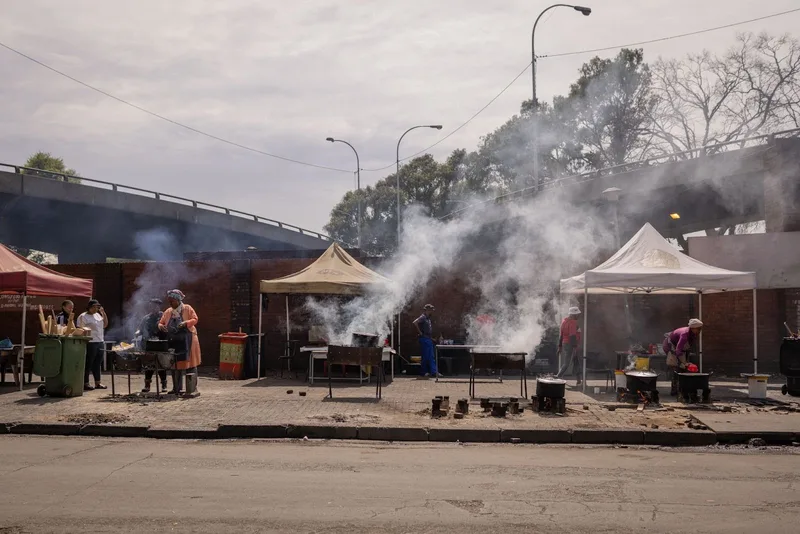
Aside from the metric of cigarettes per day, what effects does this have on your own health? Other than the general health effects that also pertain to men, such as respiratory issues and cardiovascular diseases due to particulate matter in your bloodstream, you are also at a greater risk to develop breast cancer. And, as something that does not affect men, air pollution is a top cause of maternal health issues. It causes complications for both the mother and child, which often result in miscarriages, mutations and stillbirths. Smoking during pregnancy is forbidden. Now imagine that pregnant women cooking with traditional biomass stoves for several hours a day may be exposed to smoke levels comparable to the pollution produced by burning around 1,200 cigarettes.
Overall, it seems that staying at home to cook, clean, and take care of children, as many women do for the majority of their lives, carries an invisible risk.
Household pollution caused 2.9 million deaths per year in 2021, including 309,000 deaths of children under the age of 5.
Unsurprisingly, due to patriarchal roles, women are also more exposed to specific outdoor air pollution. By walking their kids to school or fetching water, women are exposed to exhaust fumes and road dust. Women are also more likely than men to walk to work or take public transport, inhaling polluted air at every bus stop (World Bank). Due to their lower socio-economic status and traditional gender roles, they become involuntary pedestrians, not able to afford other means of transportation.
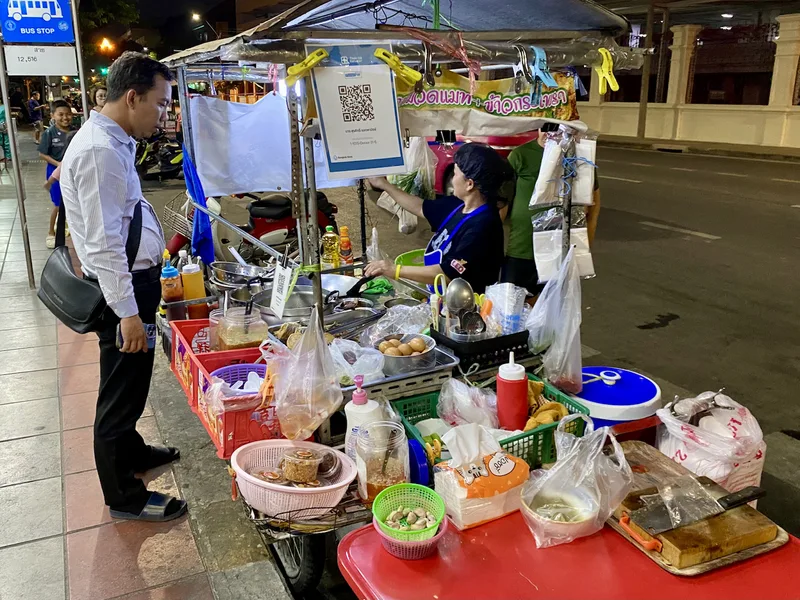
On top of that, they often work in informal jobs, such as vendors on street corners, right where air pollution is most concentrated. This is a major issue, as female street vendors often reap the consequences of inhaling air pollution from both cooking and exhaust fumes (WRI India).
Unfortunately, the patriarchal society we live in often overlooks these issues. Women around the world are economically and socially dependent on men, with little power over their own lives, and a lack of agency or inclusion to express their issues. But let us be clear: women’s exclusion from decision-making bodies or governance is not the reason why women’s issues like household air pollution aren’t addressed. They are not addressed because the people in power, who are predominantly men, choose to ignore these issues. Women should not be alone in advocating for themselves; men have, and have always had, this responsibility as well. Just as women advocate for everyone’s safety and health, as we often do, you should be doing the same. So when we do finally reach this stage of having women present in decision-making bodies, it is not enough to not stand in the way; you must stand up as well.
Now – after this small tangent – we are also pleased to say that around the globe, governments and international actors are beginning to support communities worldwide in transitioning to more sustainable cooking practices, largely thanks to women-led research and initiatives, such as the Clean Cooking Alliance and Women in Modern Energy Cooking Initiative. For instance, Sistema.bio is a social enterprise that installs modular biogas digesters on smallholder farms, primarily in Kenya, Uganda, India, and Central America, converting organic waste into clean cooking fuel and fertiliser. The initiative has a particular focus on women's empowerment, as the technology frees rural women from the significant time and health burdens associated with traditional firewood cooking. Pushing for the research and development of clean, renewable cooking tools is imperative to improving women’s health and protecting them from the lethal consequences of both indoor and outdoor pollution.
Putting women at the forefront of this change surely makes these issues more visible, but in the end, the responsibility towards women’s health should be on everyone’s agenda, not just women’s. And addressing this should happen every day, not only on March 8th.
By the way, if you had been reading this article in a room with a working biomass stove, you would have been exposed to the smoke of seven cigarettes by now.
References
Nijhuis, M., & Johnson, L. (2017, August 14). Three billion people cook over open fires ― with deadly consequences. National Geographic. https://www.nationalgeographic.com/photography/article/guatemala-cook-stoves
Singh, N., & Khan, A. (2025, March 7). Breathing Unequally: Impact of Air Pollution on Women. WRI India. https://wri-india.org/perspectives/breathing-unequally-impact-air-pollution-women
World Health Organization. (2025, December 16). Household air pollution. https://www.who.int/news-room/fact-sheets/detail/household-air-pollution-and-health

We design professional, accurate and long-lasting air quality monitors that are open-source and open-hardware so that you have full control on how you want to use the monitor.
Learn MoreCurious about upcoming webinars, company updates, and the latest air quality trends? Sign up for our weekly newsletter and get the inside scoop delivered straight to your inbox.
Join our Newsletter