What makes an environmental campaign truly resonate with its audience, to make people stand up, take action, and share information? Recently, we began supporting our partner communities with their social media communications and community outreach. Through the workshops and brainstorming sessions so far, we’ve established that one way of expanding our impact and increasing our media support for our partners could be through universal social media campaigns that are distributed and adapted to local contexts.
So what makes an environmental campaign successful? Let's dig into what that actually looks like in practice.
Clear Cause of the Problem and a Strong Symbol
Are there any of us who haven't seen an image of a turtle being strangled or otherwise harmed by a plastic straw? In 2015, a video of a scientist removing a straw from a turtle’s nose went viral, jumpstarting one of the most impactful environmental campaigns in the world. This video, among thousands of others depicting equally or more tragic situations, struck a chord. Viewers started asking themselves: “Why do we even need straws? What’s wrong with drinking directly from the cup? What about the turtles?” They reposted and reshared, reaching millions of people around the world. The “save the turtles” slogan started to appear everywhere. Since July 2021, the EU has banned single-use plastic straws and cutlery. The sea turtle symbol on plastic products reminds people to dispose of them in recycling bins. Now, drinking from a paper straw or not using one is the new normal, and a sea turtle remains a symbol of our responsibility to the environment.
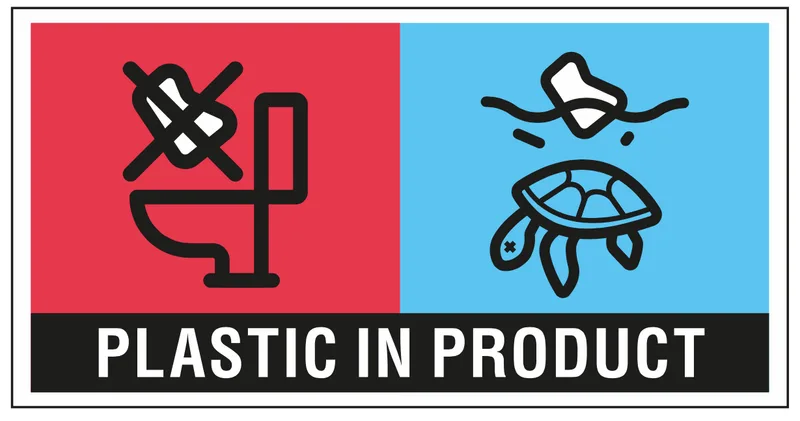
So, successful campaigns seem to communicate a clear cause of the problem, along with a symbol, such as an animal that currently suffers from it. And it was helpful that the turtles are so cute; what would have happened if a sea urchin had been the mascot? But in the fight against air pollution, there isn’t a single culprit like plastic straws, and those affected are the entire human and animal populations. So what should we do? Would it be a good idea to just choose an animal plagued by air pollution, perhaps a dog that suffers similar respiratory issues, as the symbol for fighting for clean air? People love their pets, and maybe this would gain traction. Or we could focus our efforts on children, as they are among the most severely affected by air pollution. Our previous workshops showed that when it comes to children, parents are more likely to get involved and demand change. In many ecological and humanitarian disasters, as well as international law campaigns, highlighting the suffering of children has been a central component of their success.
Unfortunately, we in the air pollution sector don’t have a single, definitive source of the problem we can highlight; air pollution is complex, intersectional, and intangible. But we do have the sad advantage that air pollution affects everyone, so if people are most likely to change their behaviour for helpless animals or vulnerable humans, perhaps highlighting coughing children or birds that cannot fly because of smoke is our best shot.
Choosing the Right Platform
The World Wildlife Fund launched #LastSelfie on Snapchat to reach teenagers and young adults and encourage them to take action to help save animal species on the brink of extinction. Their purposeful use of this platform made all the difference. The limited view time of Snapchat images showed viewers how quickly these animals disappear from the planet, and that in just a few seconds, they might be gone forever. The strikingly direct slogan “Don’t let this be my #LastSelfie” created a sense of urgency, strong enough to drive a global movement. Additionally, choosing Snapchat for this campaign hit the bullseye, as the target audience was perfectly reached. The WWF informed younger generations about the importance of extinction, receiving donations in record time. What the organisation hoped to raise in a month, they managed to receive in just 3 days. A clear call to action, a sense of urgency, and the right platform made it all possible.

Choosing the right platform is difficult when trying to reach a global audience. Different age and socio-economic groups use different platforms and media forms, from Instagram to church notice boards. Listening to the communities in the workshop, it became clear that there needs to be a wide range of informational materials reaching households, regardless of their connection to the Internet. Within the social media workshops, community organisations are networking with each other, and our vision is that we all collaborate on different platforms and campaigns simultaneously. By tagging and promoting each other’s youth-centred content on Instagram, we can hopefully increase the number of people who see these posts, maximising their impact. By circulating our informational pamphlets on air pollution among ourselves, we can share best practices and reach communities without high smartphone usage. Learning from WWF, we see that people around the world consume content and information differently, and it’s up to our communities to decide who we want to reach and how.
Consistency is Key
Greta Thunberg’s school strike in 2018 moved the world, showing the anger and urgency of youth toward policymakers for ignoring climate change. Greta’s protest quickly became the well-known Fridays for Future campaign, during which, for years, youth around the globe gathered to demand climate justice. Fridays for Future became a trademark and entered the day-to-day vocabulary.
My friends would ask me, “Are we doing Fridays for Future this week?” The answer more often than not was yes. This movement allowed participation anywhere on the planet and became a platform for young people worldwide. When Greta Thunberg spoke at the UN Climate Action Summit in 2019, it was a major win for youth activists and an inspiration for all young people around the world who want to make a difference.
Just like climate change, after wildfires or hurricanes, air pollution is often an issue talked about only at its peak, during the burning season or throughout cold winters, when the air is so congested it’s hard to breathe, and smog is clearly visible. So, how do we engage our audiences all year long? One of our ideas was to create campaigns about non-seasonal air pollution, such as indoor pollution caused by cooking. Finding topics like this could help us maintain consistency in our engagement and ensure ongoing discussion about air pollution, working with our audiences to fight it consistently, not just periodically.
We Are All Constantly “The Audience"
Naturally, we didn’t do all this research and write this blog post only to learn for ourselves and share with you; we also want to incorporate these insights into potential campaigns we plan to launch together with the organisations we work with. In the same spirit of openness and listening to everyone who works locally, if you think there’s a campaign we missed that is insightful, or you have an idea yourself, please share it with us on any of our channels!