According to the 2025 Lancet Countdown report for Latin America, 8.1 million deaths were linked to air pollution in 2021 globally, and over 90% of these deaths were due to PM2.5 exposure. In 11 Latin American countries, the economic cost of years of life lost attributed to PM2.5 amounted to US$160 billion. That is equivalent to 2.8% of their combined GDP.
In Argentina, around 4,700 deaths in 2022 were attributed to human-caused PM2.5 air pollution. Fossil fuels accounted for 92% of these deaths, while the economic losses associated with air pollution were estimated at US$9.9 billion, equivalent to 1.5% of the country’s GDP.
These statistics are set against significant gaps in Argentina’s climate and environmental policies and regulation. Its national air quality regulation dates back to 1973 and uses the term “materials in suspension,” predating the modern use of particulate matter (PM) terminology. Only 10 of the country’s 24 jurisdictions – 23 provinces and the Autonomous City of Buenos Aires – have any form of air quality regulatory document.
Against this backdrop, Sustentabilidad Sin Fronteras (SSF), a non-governmental organisation that focuses on environmental policy, advocacy, restoration, and climate diplomacy, looked for where action was still possible.
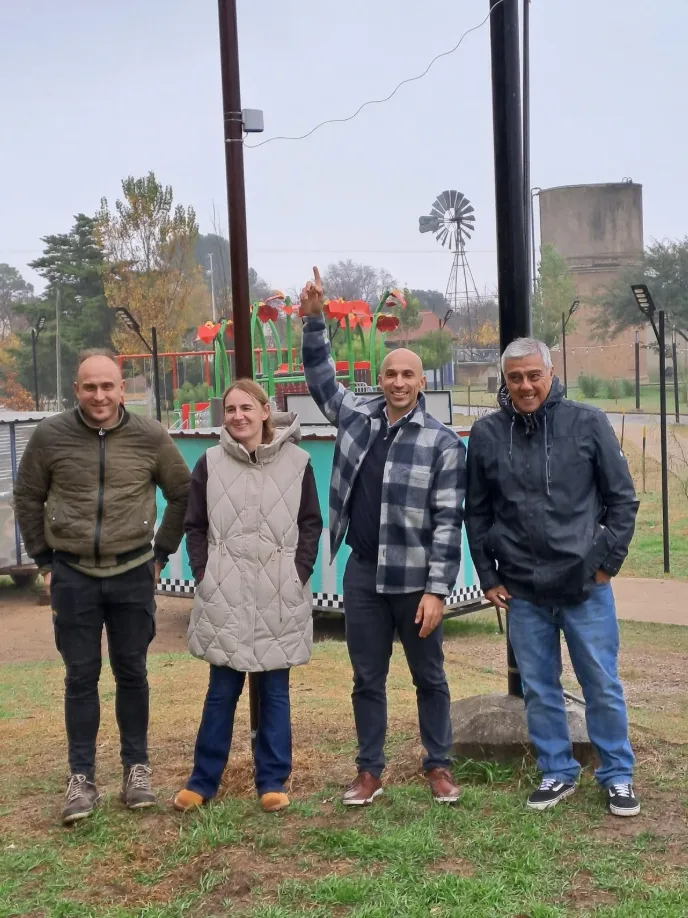
This is where “Proyecto Aire Limpio" or the Clean Air Project comes in. A core initiative led by SSF’s Climate and Health Lead, Dr. Damian Markov, a pediatrician specialized in climate medicine and environmental health. The project is building what is described as Argentina's first widespread, low-cost air quality monitoring network. But it is more than simply installing sensors; it is about gathering data and evidence that can help explain local pollution and inform policies and action.
The organisation began building partnerships by working directly with local governments in provinces and municipalities, and collecting the air quality data needed to understand local pollution. This became the practical response of Damian and his team: starting locally while maintaining a longer-term goal of expanding the network nationally.
In the online forum we hosted in August, he stated, “What is not measured cannot be protected,” explaining how gathering data is a crucial step to help advance national air quality.
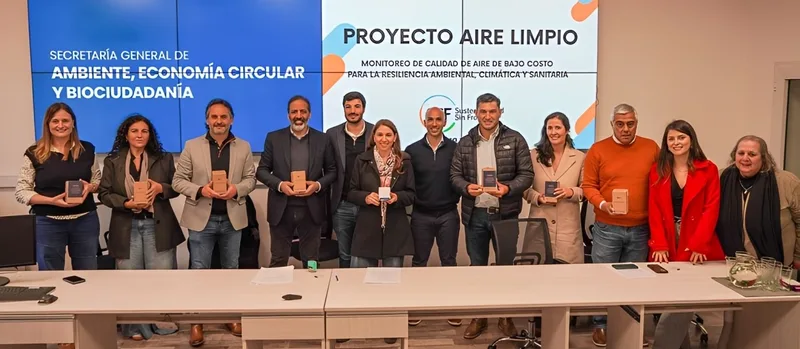
Why Local Air Quality Monitoring Matters
Damian and SSF saw that starting with provinces and municipalities was valuable as climate and environmental risks are not experienced equally in Argentina. National statistics can show the scale of a problem, but local measurements can provide better context and show specific realities in a particular city, neighbourhood, or environment.
Argentina has a population of around 46 million people, with about 90% living in urban areas. With its highly urbanized population, around 30% is estimated to live in poverty. The country’s economy relies on agriculture, mining, and oil and gas, particularly shale formation in Vaca Muerta, Neuquén.
Understanding air quality in specific places is important, as a community’s environment, location, infrastructure, and access to resources can influence people’s exposure to pollution and how severely it affects their health. This means that people in different communities may experience different levels and sources of pollution.
Damian highlighted that exposure to environmental risks varies between communities. Factors such as infrastructure, access to resources, and where people live can influence their exposure to air pollution and other climate-related risks, also shaping their risk of developing respiratory and other health problems.
In the same forum, Damian also emphasised the connection of climate change, air pollution, and health, drawing from the IPCC’s Sixth Assessment Report. He noted that the adverse effects of climate change on health and well-being include infectious diseases and malnutrition.
He also stated that air pollution has been linked to a wide range of health impacts, including respiratory and cardiovascular diseases, adverse pregnancy outcomes, and effects on neurodevelopment. He said, referring to the study done by the Institute of Health Metrics and Evaluation, “From all the global risk factors for death in the total global population and children under five, air pollution is in second place. It’s not something to take for granted.”
| Global Risk Factors for Death | ||
|---|---|---|
| Rank | Total Global Population | Children Under 5 Years |
| 1 | High Blood Pressure | Malnutrition |
| 2 | Air Pollution | Air Pollution |
| 3 | Tobacco | Water, Sanitation and Hygiene (WaSH) |
| 4 | Diet | High or Low Temperature |
| 5 | High Fasting Plasma Glucose | Tobacco |
Putting Air Quality on the Map
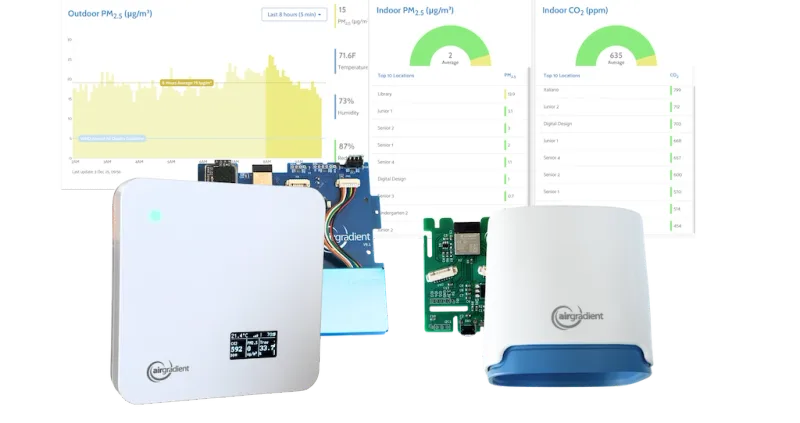
SSF considered it essential to focus on the most vulnerable populations and collaborate with health authorities in implementing the Clean Air Project. Alongside partnering with local governments and identifying communities at risk, one of its first steps was building a low-cost, open-source air quality monitoring network using Open Air monitors.

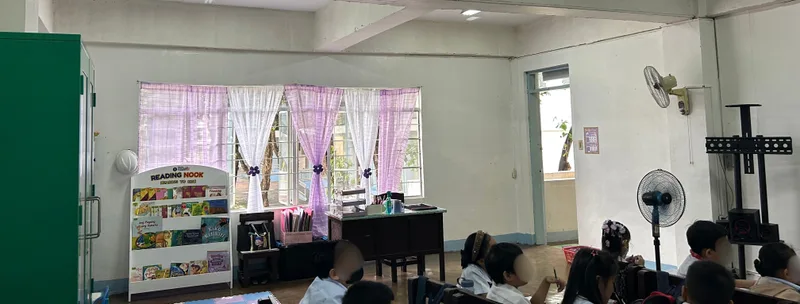
As of August 2026, 21 monitors have been deployed in the provinces of Neuquén, Córdoba, La Pampa, Jujuy and in the municipality of Vicente López. The monitors are being placed in a variety of settings, including health centres, areas with heavy traffic, agricultural regions, industrial areas, schools, and locations where people face higher risks. Monitoring these different environments helps capture differences in pollution sources and exposure levels across communities.
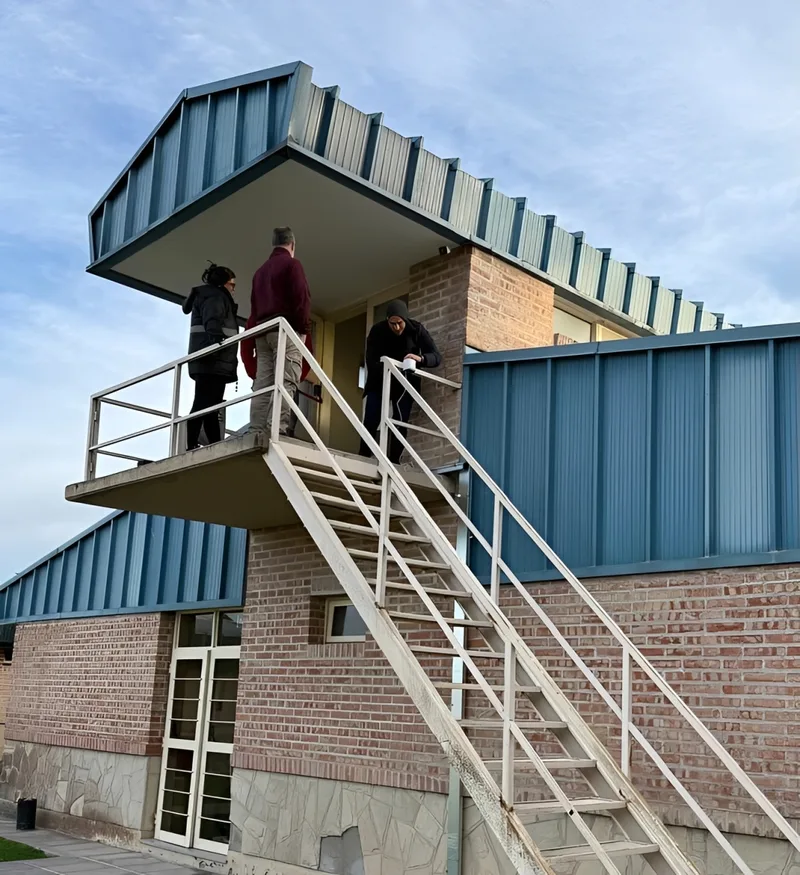
The use of low-cost monitors also makes it possible to expand monitoring to more locations and communities, helping build a fuller picture of air quality across the country.
The monitors provide real-time air quality data, which is openly shared through platforms such as the AirGradient map and OpenAQ. This creates opportunities for communities, researchers, health professionals and policymakers to use the information for research, public awareness, and evidence-based decision-making.
Rather than simply collecting more measurements, the project aims to make air quality information available and useful to the people and institutions that can act on it.
And ultimately, the goal remains simple, “Everyone should know what they are breathing.
Tracking Air Pollution Beyond the Source
The data collected through the Clean Air Project helps understand the province’s or municipality’s environmental conditions, and will serve as evidence for action.
So far, the project has already begun with project design, institutional agreements, capacity building, travel to provinces, and initial device deployment. The next stage will involve expanding monitoring activities and strengthening the partnerships needed to support the work.
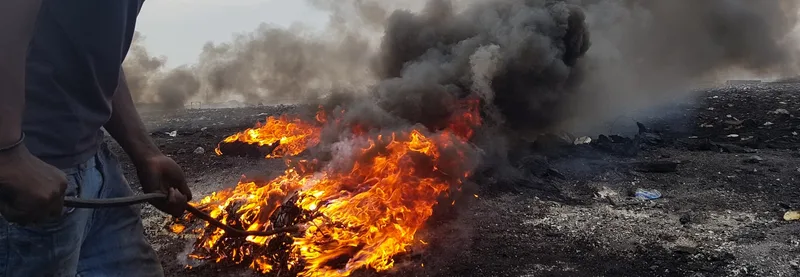
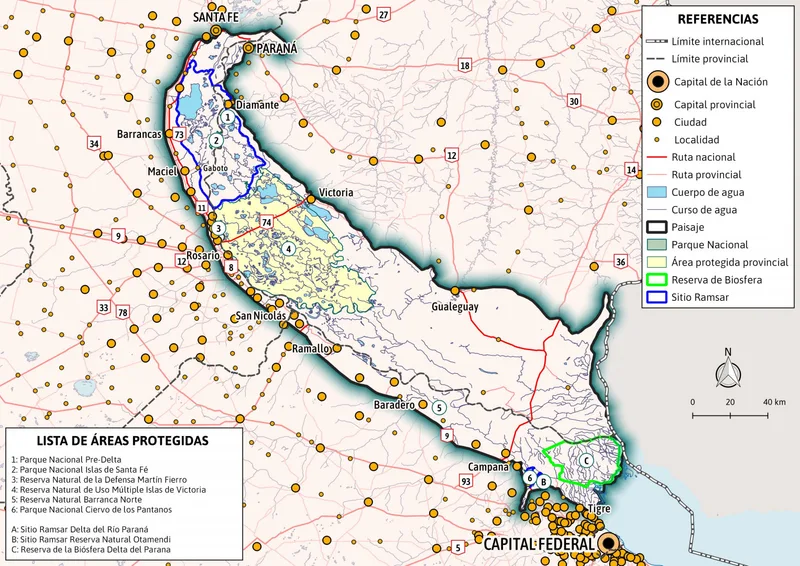
One of the areas where SSF will be expanding its monitoring network is the Paraná Delta, a wetland spanning parts of Entre Ríos, Santa Fe and northern Buenos Aires Province. With funding from the University of Chicago’s EPIC Air Quality Fund, the project will deploy approximately 30 additional monitors across the region. As the Paraná Delta experiences recurring human-caused wildfires, this expansion will help the team better understand how smoke and air pollution affect communities living nearby, as well as those farther away. By monitoring air quality in and around the Delta, the project aims to track changes during wildfire events and investigate which nearby and more distant locations may be affected by smoke.
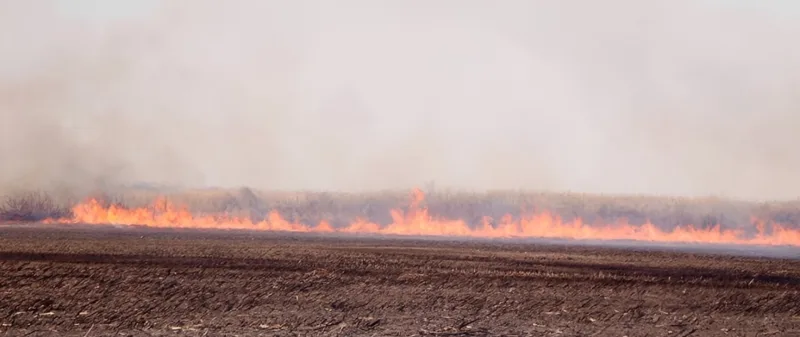
Monitoring air quality in the Paraná Delta could help encourage people to take conscious steps to reduce human-caused wildfires. With data made available, they can better understand the air they are exposed to, and grow a deeper understanding of the environmental conditions surrounding these events as well as the health impacts it has on them.
SSF’s ambitions to expand the monitoring network across Argentina, and eventually into neighbouring countries, would create opportunities for regional collaboration and a broader understanding of how air pollution moves across communities and beyond borders. Scaling and sustaining the network will require a combination of private sponsorship, international grants and institutional partnerships with municipal and provincial governments. These partnerships will also be important for calibration, validation, repairs, and equipment replacement to ensure the monitors continue to provide reliable information.
By starting with local capacity-building and generating reliable, geo-referenced, real-time data, SSF envisions how evidence-based efforts can support environmental and health policies, contribute to updating Argentina’s outdated air quality law, and put cleaner air among the country’s national agenda.