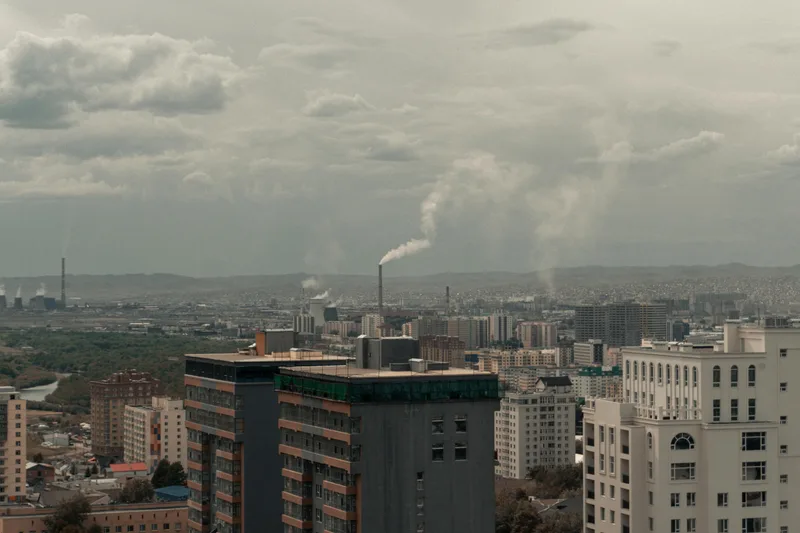
Today is April 22nd, and your Instagram and LinkedIn feeds are probably full of pictures of lush rainforests, pandas, dolphins, and other awe-inspiring photos of nature. That’s because today is Earth Day, a day dedicated to raising awareness around our environment and how to protect it. Although it’s great that this day exists, we at AirGradient and many other communities believe that every day should be Earth Day. We care about air pollution and what it does to our bodies, our animals and plants, and our atmosphere 365 days a year – and so should you. So on this Earth Day, we want to show you how communities around the world are fighting for a cleaner Earth. But first;
What is Earth Day, And How Did It Start?
Did you know that Earth Day actually started in 1970 in the United States? In 1962, Rachel Carson’s book Silent Spring marked a watershed moment in American history, educating the population about the interconnectedness between a polluted environment and human health. Growing public awareness moved two U.S. Senators and student activists to start organising Earth Day. The vision was a day of protest similar in scale and atmosphere to the anti-war movement that was happening simultaneously. On the first Earth Day, over 10% of the American population protested the years of environmental damage caused by industrialisation. At the end of 1970, the U.S. Environmental Protection Agency (US EPA) was founded; a potent example of the impact public demonstrations can have.
Currently, the country where Earth Day originated paints a bleak picture of environmental protection. It’s difficult to reconcile that this year, more than 50 years after its founding, the US EPA repealed the finding that greenhouse gas emissions endanger public health, turning its back on enforcing fossil fuel or vehicle emission regulations. You can learn more about the impact of the repeal here.
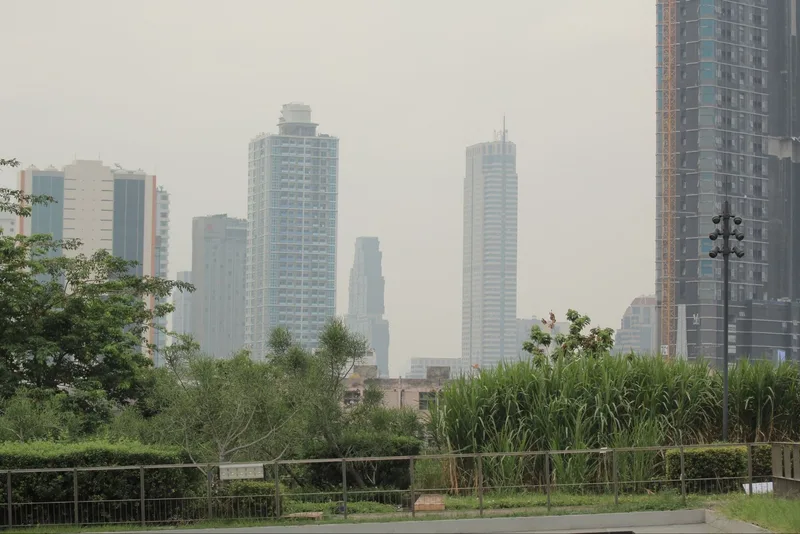
It’s Not Just Us - How Air Pollution Affects the Flora and Fauna
And last but not least, at the beginning of the blog post, we made the point that we should care about our Earth every day, and this should go beyond our own self-preservation instinct to focus on humans. Air pollution campaigns mostly focus on people, often disregarding the effects air pollution has on plants and animals. This Earth Day, we would like to bring these consequences to light and emphasise that humans are not the only ones suffering.
Effects on flora
Although plants are generally known to absorb air pollution and help out with ‘clearing the air,’ many species are harmed immensely, especially by particulate matter, ozone, sulphur dioxide, and nitrogen oxides (Oizom). These pollutants can lead to an impairment of chlorophyll absorption and thus reduce photosynthesis, a process which is vital to the survival of the plant (Clarity). Additionally, reduction of photosynthesis can lead to lower crop yields, impacting food production.
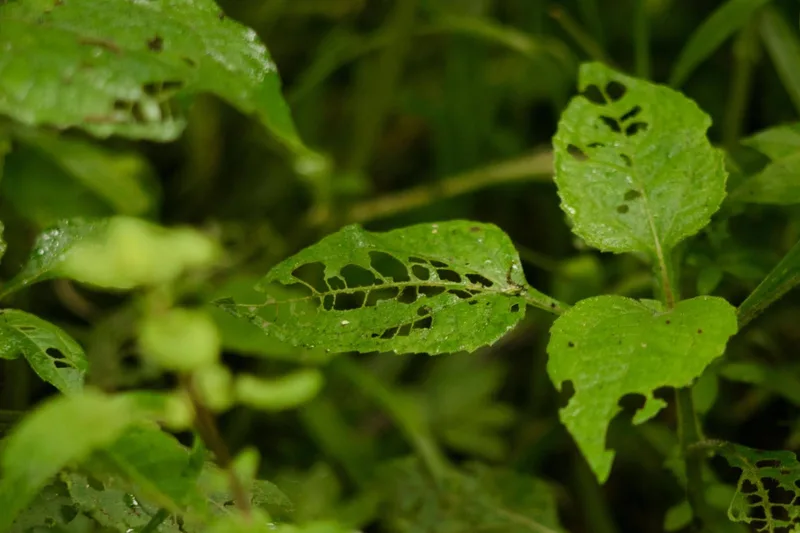
Moreover, air pollutants can damage leaf structure, impacting processes such as transpiration slower or impossible. They also make the plants more vulnerable to heat stress, nutrient deficiencies and diseases (Clarity).
As mentioned in a blog post last week about air pollution’s effects on hay fever, pollutants change the structure of pollen grains, which irreversibly changes reproductive processes of some plant species. These changes can impact the spreading and pollination of plants all around the world, possibly causing reduced numbers of some species (Oizom).
Effects on fauna
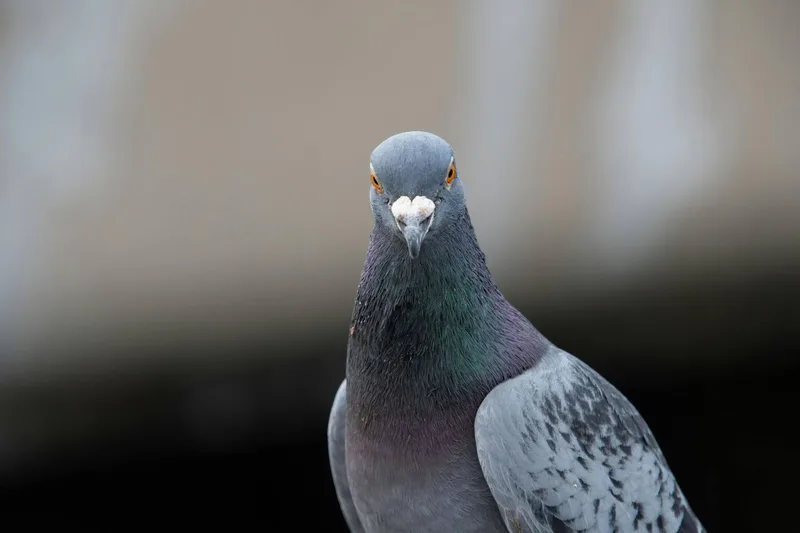
Animals, like humans, are affected by air pollution mainly through respiration. Those living in polluted areas can experience respiratory distress and illness, and suffer from irreversible lung damage (Oizom). Additionally, air pollution may cause skin irritation, which alters the overall fitness of an animal, impacting reproduction and overall well-being. Air pollution can deteriorate their immune systems and make them more vulnerable to diseases (IOP Science). Additionally, pollutants may elevate stress levels and alter animal behaviour. These changes may have tragic consequences in the future, as scientists believe that air pollution may reduce the reproductive success of some species. This issue is very prominent with birds, as they are the animals which occupy urban (most polluted) areas the most (Oizom).
Further, a study claims that elevated levels of CO₂ cause info-disruption in aquatic animals. The unnatural levels of pollution change movement patterns. Animals avoid the more polluted areas, altering the natural migration and settlement patterns (PubMed). Additionally, they may have trouble locating both prey and predators, making them more vulnerable (PubMed).
Our predominant focus on the impacts air pollution has on human health in terms of its consequences on wildlife and ecosystems is still very poor. We were surprised to find that every single study and source we have read in preparation for this blog post stressed this issue. Air pollution is one of the most pressing issues nowadays, yet we often forget to consider its effects on those who cannot speak for themselves.
Sources
Briffa, M., de la Haye, K., & Munday, P. L. (2012). High CO₂ and marine animal behaviour: potential mechanisms and ecological consequences. Marine pollution bulletin, 64(8), 1519–1528. https://doi.org/10.1016/j.marpolbul.2012.05.032
Clarity. (2025, April 22). How air pollution impacts biodiversity. https://www.clarity.io/blog/how-air-pollution-impacts-biodiversity
Davda, K. (2026, February 5). Effect of air pollution on plants and animals: A deep dive. Oizom. https://oizom.com/effect-of-air-pollution-on-plants-and-animals/
Sanderfoot, O. V., & Holloway, T. (2017). Air pollution impacts on avian species via inhalation exposure and associated outcomes. Environmental Research Letters, 12(8). https://doi.org/10.1088/1748-9326/aa8051