This morning, I woke to a spectacular series of never-ending sneezes after which I had to wash my face and eyes thoroughly, my whole face itching with pollen allergies. I couldn’t wear my contact lenses in, as my eyes were completely bloodshot and stinging from the pollen that had come through my window during the night. This is more or less how I will wake up each morning from now until September, when hay fever season is finally over.
And I am not the only one; millions of people suffer from pollen allergies all over the world, the moment spring comes, and the weather gets a little warmer.
Last spring, my hay fever was the worst I have ever had. I had to wash the pollen out of my hair every day, and was so exhausted that I started taking naps because of my body’s intense allergic reaction. It doesn’t help that many allergy medications make you drowsy as well.
A study shows that pollen allergies, or Allergic rhinitis, affect between 10 and 30% of all adults worldwide. If you are lucky enough not to be in this jolly group, let me tell you what you are missing out on. Hay fever season generally lasts from early spring to late summer, starting with grasses and trees blooming in spring and weeds and grasses giving us a hard time in the summer. The rest of the year is a little shifty, as pollen allergies might actually fluctuate in winter as well. In Thailand, for instance, peak pollen season is between December and February, as well as between August and November, during the changes of the seasons.
What are pollen allergies, and why are they a problem?
For allergic people, when pollen grains come in contact with their respiratory systems or eyes, histamine is produced to fight off the intruding pollen. The release of histamine triggers inflammation and swelling in the affected areas, causing sneezing, coughing and watery eyes. Common symptoms of hay fever include: a runny nose, itchy throat and eyes, cough, painful sinuses and respiratory issues that exacerbate diseases such as asthma. Hay fever causes airway inflammation, affecting lung function and increasing the risk of asthma attacks. Moreover, the body’s fight against allergens takes a toll on energy levels and can cause sleepiness and fatigue, which impacts the daily lives of all those affected.
Climate change increases pollen allergies and their consequences
In recent years, many studies have shown a significant rise in the length and intensity of pollen seasons across the globe. It is believed that this change might be connected to climate change, as seasons start earlier than before and temperatures are generally higher. We saw this in the Northern Hemisphere quite clearly this year, having high temperatures already in February, usually a very cold month. This means that people with pollen allergy started sneezing and itching a month earlier, which is quite tough, trust me.
But why are we talking about allergies here? And how does it connect to air pollution? Turns out that people living in urban areas are much more prone to developing pollen allergies, due to air pollutants such as ozone and PM2.5 increasing the length, intensity and damage caused by seasonal allergies. These air pollutants can alter the physical and chemical properties of pollen grains, making them more aggressive and allergenic. Also, air pollution can make us more susceptible to allergies, with high levels causing smaller amounts of pollen to trigger an allergic reaction, making people who did not have allergies before acquire them later in life. Exposure to pollutants such as ozone and PM2.5 may lead to inflammation of the respiratory system, making it more vulnerable to further inflammation caused by pollen. Studies suggest that allergy symptoms tend to get worse when high pollen levels occur alongside high air pollution, though the extent of this effect is not clear.
On a bus ride earlier this week, an old man started speaking to me, complaining that he had developed hay fever for the first time in his life. I explained to him that more people are having allergic reactions, and gave him some tips to get through the season.
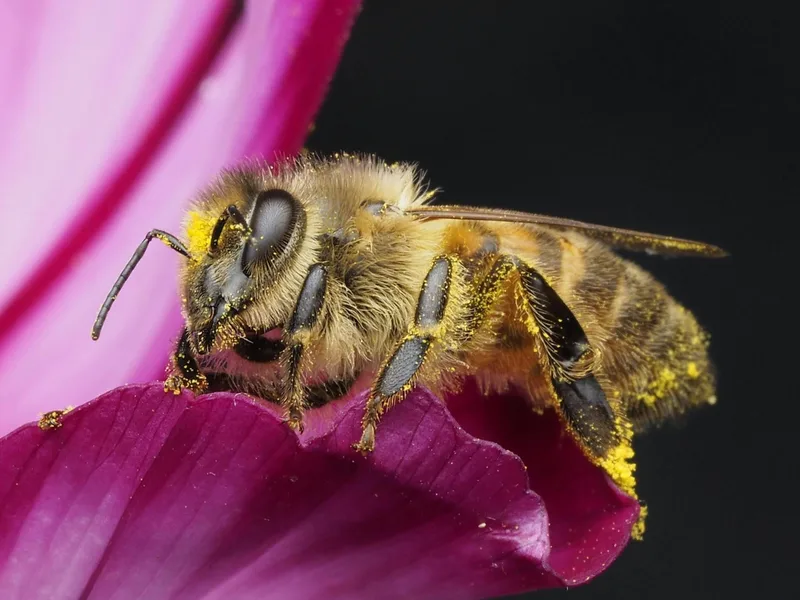
By 2050, 68% of the world’s population is predicted to live in urban environments. Studies suggest that living in cities exacerbates pollen allergies due to the creation of heat islands and bad urban planning. Heat islands are said to have consequences on the length and intensity of pollen season, similarly to climate change. Studies claim that future urban planning should take into consideration planting trees and grasses with lower pollen production in cities to decrease the effects of hay fever. They should also ensure a balance in plant gender ratios, so that the released pollen reaches the recipient plants, rather than floating around endlessly through the cities and into our noses.
If living in cities exacerbates the symptoms of pollen allergies, and climate change is resulting in longer and more intense seasons, more and more people will become extremely vulnerable to respiratory diseases. Clearly, air pollution, pollen allergies, and the health and quality of life issues that come with them, are an issue we need to address.
What are some individual behaviour changes you can make if you are allergic to pollen?
If you suffer from hay fever, there are a few things you can do to feel a bit better:
- Close your windows. Although annoying in hot weather, it’s important to keep the pollen out of your house. You can air out in the early morning or late evening, when the grains aren’t floating at full speed.
- Shower more often than normal. Wash the pollen off your body and out of your hair as often as possible, and follow with a fresh change of clothes. Get rid of all that pollen!
- Wear sunglasses. They can be used as a protective screen, preventing pollen from reaching your eyes.
- Take an antihistamine medicine. If you are a veteran of fighting hay fever, you obviously know this, but consistent and continuous use of allergy medicine keeps your body secure and stable. Make sure to take a pill every day during peak pollen seasons; don’t just take it once you already feel bad.
Pollen allergies are far more than a seasonal nuisance. With climate change extending pollen seasons and urban air pollution making allergic reactions more severe, this is a growing public health issue that affects millions worldwide. While systemic change is needed to address the root causes, small individual habits can make a real difference in day-to-day life. Until then, keep those windows closed and your antihistamines close at hand.
References
Bayer. (n.d.). The pollen problem. Bayer. https://www.bayer.com/en/news-stories/the-pollen-problem
Damialis, A., Traidl-Hoffmann, C., Treudler, R. (2019). Climate Change and Pollen Allergies. In: Marselle, M., Stadler, J., Korn, H., Irvine, K., Bonn, A. (eds) Biodiversity and Health in the Face of Climate Change. Springer, Cham. https://doi.org/10.1007/978-3-030-02318-8_3
eClinicalMedicine (2025). The bloom and the breathless: the rising burden of pollen allergy. EClinicalMedicine, 84, 103327. https://doi.org/10.1016/j.eclinm.2025.103327
Stevanovic, K., Sinkkonen, A., Pawankar, R. and Zuberbier, T. (2025). Urban Greening and Pollen Allergy: Balancing Health and Environmental Sustainability. The Journal of Allergy and Clinical Immunology: In Practice, 13(2). https://doi.org/10.1016/j.jaip.2024.12.017