When people think of air quality, cultural practices often aren’t among the first things that come to mind. As new interns at AirGradient, we decided to explore this often-overlooked connection within our local environments. Culture shapes how people cook, celebrate, mourn, heal, and gather, and these practices are expressions of identity, history, and belonging. Acknowledging that some traditions generate emissions does not mean those practices are wrong; rather, it highlights the need for respectful dialogue that considers health, heritage, and community priorities together. Science communication should begin with curiosity rather than judgment. Instead of asking how a practice can be stopped, we should first ask why it matters to the people who engage in it, because understanding the cultural significance of these traditions creates space for conversations that respect both public health and community values.
In this post, we draw on our experiences and insights from Africa and Asia, exploring household biomass burning and braai culture in South Africa, as well as incense and joss paper burning in Taiwanese temples. Through these examples, we examine the relationship between cultural practices and air quality and discuss how thoughtful communication and context-sensitive regulation can support both the communities involved and the air they breathe.
Household Biomass Burning
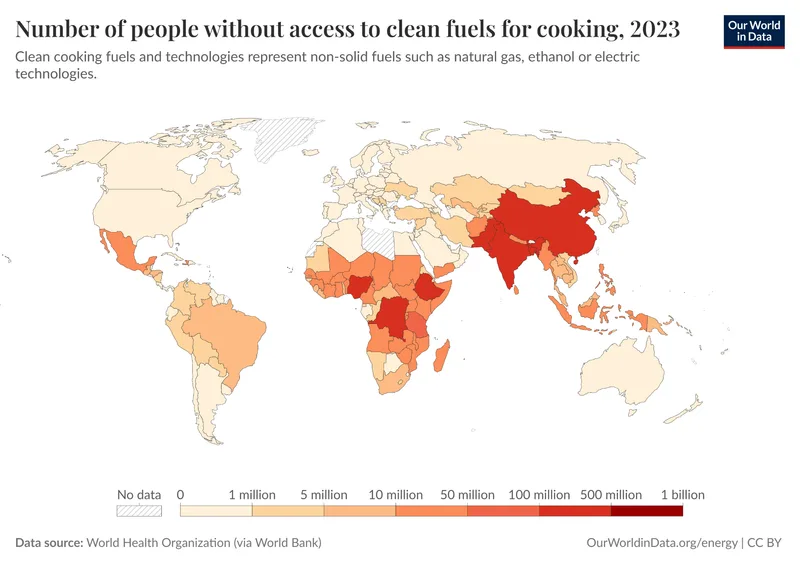
Across South Africa and much of sub-Saharan Africa, wood, charcoal and other biomass fuels remain part of everyday life. They are used for cooking, heating homes and, in many communities, cultural and ceremonial practices. For millions of households, these fuels are not simply a tradition; they are often the most affordable and reliable energy source available. As shown in Figure 1, limited access to clean cooking fuels remains a global challenge, with the greatest burden concentrated in sub-Saharan Africa and parts of Asia, reinforcing the continued reliance on biomass for everyday energy needs.
Burning biomass releases pollutants such as fine particulate matter (PM₂.₅), carbon monoxide (CO) and other harmful gases that affect both indoor and outdoor air quality.
Yet the story is more complex than emissions alone.
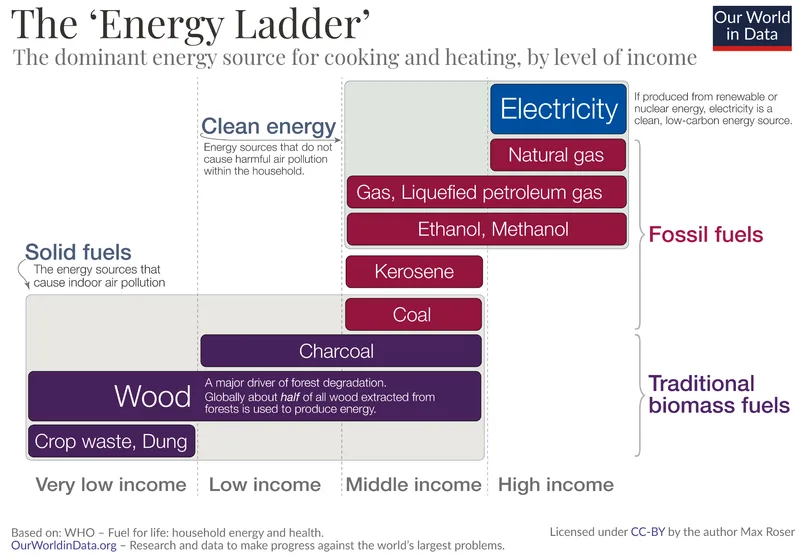
Many South African households practice energy stacking, using electricity for some activities while continuing to rely on wood or charcoal for cooking or heating. As illustrated by the Energy Ladder (Figure 2), household energy choices are closely linked to income, affordability and access to modern energy. These decisions are therefore shaped by affordability, energy security, infrastructure and everyday needs, not culture alone.
This is why household biomass burning is also an environmental justice issue. Air quality data can tell us what is happening, but not why. Understanding the reasons behind emissions requires listening to communities and recognising the social and economic realities that influence how people use energy.
Environmental monitoring provides the evidence. Communities provide the context. Together, they help identify solutions that are practical, equitable and grounded in everyday life.
Braai Culture
Few traditions are more recognisable in South Africa than the braai. Whether it's Heritage Day, a weekend gathering or a family celebration, a braai is about far more than cooking. It represents connection, hospitality and shared experiences that bring people together.
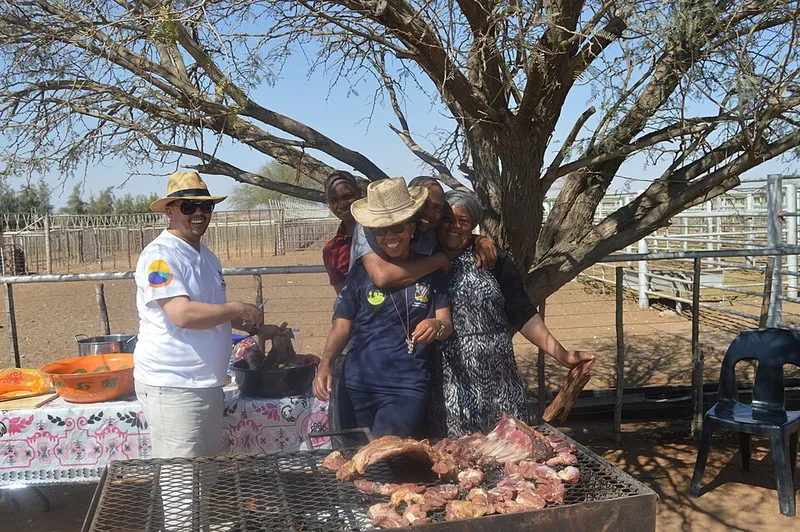
Like any activity that burns wood or charcoal, braais produce smoke and air pollutants, including fine particulate matter (PM₂.₅) and carbon monoxide, as described in the WHO Global Air Quality Guidelines. However, emissions vary depending on the type of fuel used, how efficiently it burns, weather conditions, and ventilation.
Rather than framing braais as simply "bad for the environment," air quality monitoring can help start more constructive conversations. For example:
- Can using dry, well-seasoned wood reduce smoke?
- How do weather conditions influence where smoke travels?
- Does better ventilation reduce people's exposure?
- How can communities continue enjoying this tradition while reducing health risks?
These questions shift the focus from blame to solutions. Air quality monitoring is not about telling people what they can or cannot do. It provides evidence that helps people understand their environment and make informed choices while respecting the cultural traditions that matter to them.
Ritual Burning: The Case of Taiwan
From South Africa’s biomass burning to incense and joss paper burning in Asian temples, the tension between culture and clean air takes on a different form. Ritual incense and joss paper (also referred to as “ghost money”) are central to honoring ancestors and spiritual figures in Taiwan, particularly on the 1st and 15th day of each lunar month and during important holidays.
However, this ritual burning releases smoke containing particulate matter (PM), gas byproducts and other organic compounds, negatively impacting local air quality and health. Exposure to such smoke can worsen chronic respiratory and cardiovascular diseases, damage lung tissue, and possibly contribute to cancer.
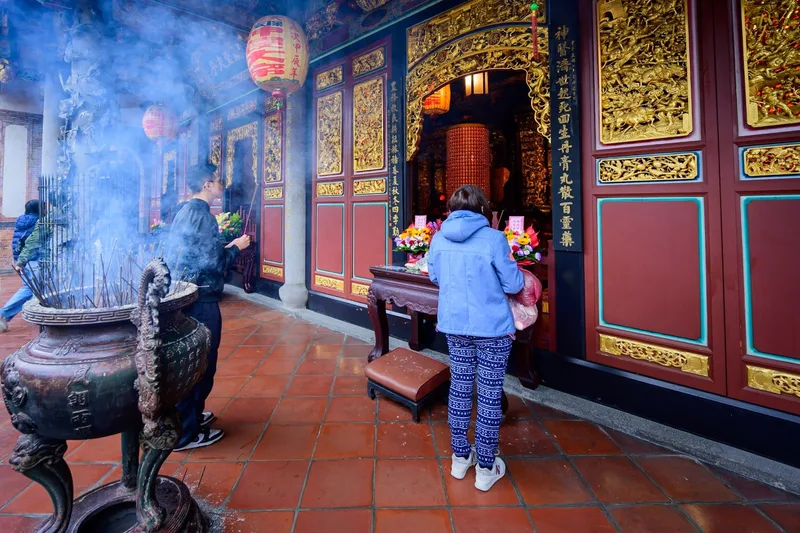
In Taiwan, emissions from incense and joss paper burning can cause spikes of air pollutants–especially PM10–up to 6 to 15 times above safe levels, while elevated PM2.5 concentrations heavily impact nearby homes and passerby. The risks are not merely ambient, as worshipers actively engaging in the ritual face substantially higher exposure to PM2.5, at times four to six times higher than outside the temples themselves. Furthermore, during events like the Tomb Sweeping Holiday, air quality near temples declines by nearly 11%, showing how the occurrence of important holidays themselves shapes pollution patterns.
Policy Response
In 2017, the Taiwanese Environmental Protection Administration (EPA) launched a “Triple Reduce” policy, targeted at the burning of joss paper, incense and firecrackers. The authorities were cautious about the framing as reduction, not prohibition, due to the sensitivity of the topic and the cultural importance of such rituals. It is an important nuance for policy not to seem like an offence against religious practice.
Negotiating the relationship between air quality and cultural practices is complex, requiring governments, communities and other stakeholders to find a balance between protecting public health and respecting cultural traditions. In Taiwan, some temples have voluntarily gone beyond regulatory requirements to reduce air pollution, while others have opposed new air quality regulations.
For example, prominent temples in Taipei City, such as Xingtian Temple or Longshan Temple, have reduced or forbidden the use of incense and joss paper. In these cases, worshipers have gotten used to these efforts at reducing air pollution. On the other hand, in suburban or more rural areas where religious traditions are stronger, attitudes were less favorable towards the new regulation.
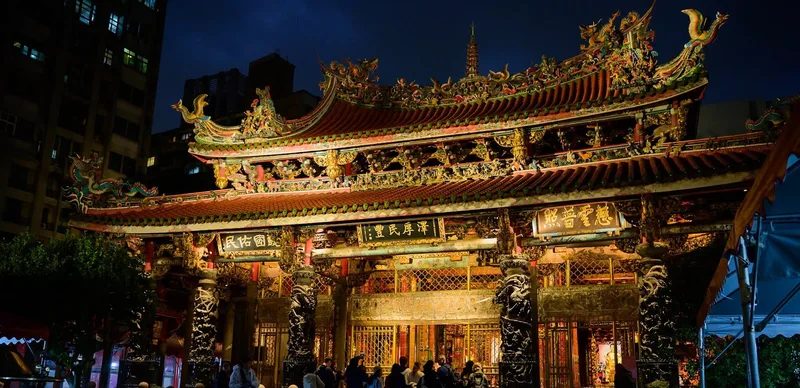
Taiwan's experience shows that reducing ritual-linked pollution is rarely just a technical fix. Similar questions arise in South Africa, although the policy response has taken a different form. Rather than introducing regulations that specifically target household biomass burning or braais, South Africa addresses these issues through broader air quality management and clean energy policies, including the National Framework for Air Quality Management in the Republic of South Africa, which aims to improve access to cleaner household energy, reduce exposure to harmful emissions, and encourage cleaner energy transitions.
While these contexts differ, both South Africa and Taiwan illustrate that improving air quality requires a continuous negotiation between public health objectives and culturally significant practices. In both cases, policies are more likely to succeed when they focus on reducing exposure and supporting cleaner practices, rather than framing cultural traditions as the problem. This tension also raises broader ethical questions about who gets to decide what constitutes "acceptable" pollution in the name of culture and tradition.
Regulations impacting cultural practices are complex to negotiate and should not be imposed on communities without discussion and open negotiation of their implications. Ritual burning is at the intersection of public health and religious freedom, making its regulation particularly complex, especially because the pollutants not only reach those who decide to actively participate.
Who Breathes the Consequences?
Research on ambient air quality in Hanoi demonstrates that the impacts of cultural and religious burning extend well beyond those taking part in the rituals. During Vietnam's Vu Lan (July full moon) Festival, a period characterised by increased burning of incense and joss paper, Hanoi's Air Quality Index rose by approximately 16 points in a single day and exceeded 47 points by the end of the festival. As these measurements were recorded outdoors, they show that pollution generated at temples can affect nearby residents and passersby, not only worshipers.
This raises an important ethical question: while individuals may choose to participate in these practices, others in the surrounding community do not choose their exposure. A similar pattern has been observed inside temples, where particulate matter concentrations were found to be five times higher than those measured just outside the buildings Comparable challenges can also arise in South Africa, where smoke from household biomass burning and outdoor braais may affect family members, neighbours, and surrounding communities, particularly in densely populated areas or where ventilation is poor, as documented in research on household air pollution and the WHO Global Air Quality Guidelines.
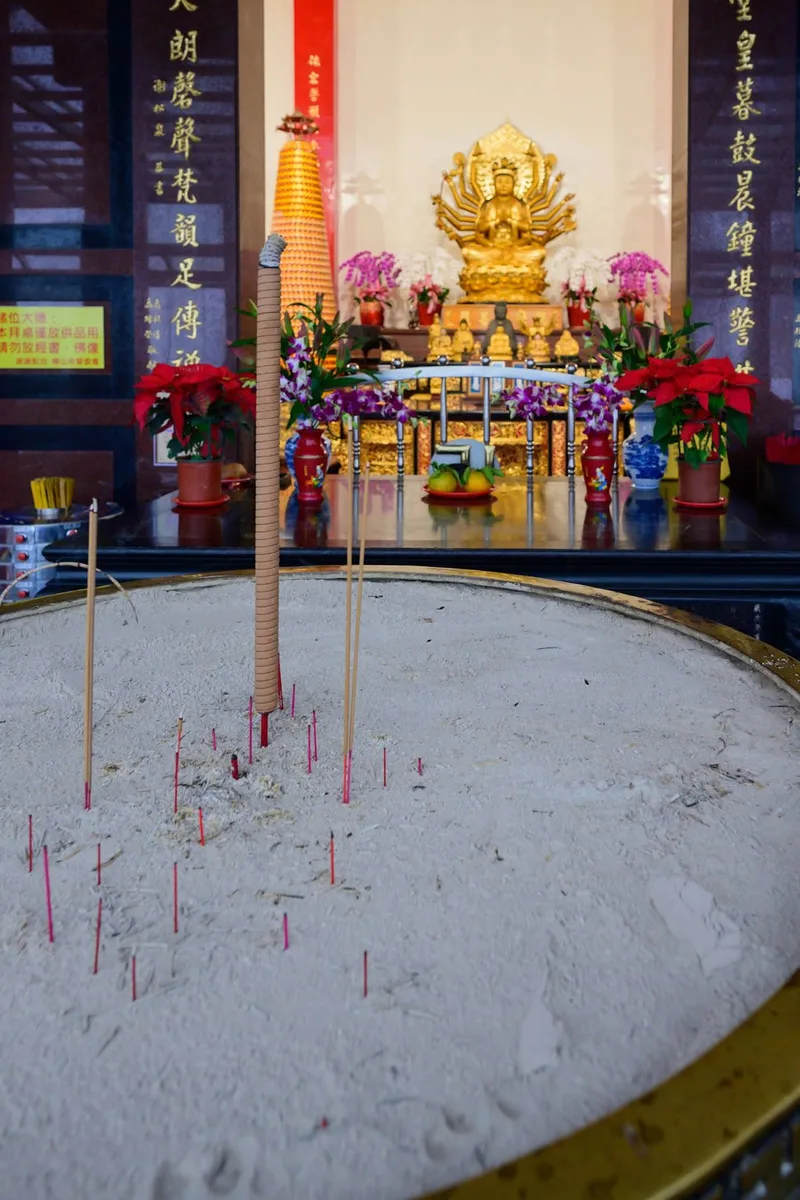
Exposure is also not shared equally among those participating in the rituals. Temple employees, who spend long periods in incense-filled environments, experience far greater cumulative exposure than occasional worshipers. A study of Thai temple workers found substantially higher concentrations of carcinogenic compounds, including benzene, 1,3-butadiene and polycyclic aromatic hydrocarbons, compared with control workers. Notably, benzo[a]pyrene exposure was 63 times higher among temple workers, who also exhibited twice the DNA damage and significantly reduced DNA repair capacity, both indicators of an increased long-term cancer risk. These findings highlight that the greatest health burden is often borne by those with the highest and most frequent exposure, an important consideration for both occupational health and air quality policy.
Balancing Duties in Regulation
In effective regulation, two duties need to be balanced—respecting a community’s right to practice its traditions and protecting the health of the broader public.
Looking closer at the interplay of different actors involved in religious burning and impacted by the pollution generated helps to explain why the Taiwanese EPA was so careful in framing its 2017 policy as reduction, rather than a ban. That nuance was not only rhetorical, but it also reflected an awareness of the sensitivity needed for the regulation not to be called an attack on religious identity rather than a public health measure. However, this caution can have its own ethical cost. Moving too hastily may fail in the government’s public health obligations towards the residents involuntarily and often unknowingly exposed to the generated pollution.
These examples reinforce an important point raised earlier in the South African case: improving air quality is rarely achieved through regulation alone. Whether addressing religious rituals, household biomass burning or recreational braais, effective policy recognizes cultural significance while collaborating with communities to reduce unnecessary exposure through practical and locally appropriate solutions.
Ultimately, regulating cultural and religious practices is never just a technical question of emission thresholds. It is a question of whose health, autonomy, and beliefs are given priority in the outcome, and answering it well requires more than a policy design. It requires communicating health risks in ways that don't read as an attack on cultural identity, which is a challenge of science communication.
Where Do We Go from There?
How do we reduce air pollution without asking people to give up traditions that are central to their daily lives and cultural identity?
There is no single solution. However, there are practical steps that can help improve air quality while respecting the cultural practices that communities value.
1. Let communities lead the change
The experience of Taiwan's Xingtian and Longshan temples shows that communities are often willing to adopt cleaner practices when they are involved in the process. Because these changes came from within the community rather than being imposed from the outside, they were more widely accepted and sustained.
The same principle applies elsewhere. Whether discussing household cooking practices in South Africa or traditional ceremonies in other parts of the world, solutions are more likely to succeed when communities help design them. People are far more likely to embrace change when they understand the benefits and have a voice in deciding what is practical for their circumstances.
2. Improve practices, not replace traditions
Cleaner air does not have to come at the expense of culture.
In South Africa, many households rely on wood or charcoal for cooking and heating because these fuels are affordable, accessible and familiar. Rather than expecting households to abandon biomass fuels overnight, practical improvements can help reduce exposure to smoke. Using dry, well-seasoned wood, improving kitchen ventilation, or adopting more efficient cookstoves can lower emissions while allowing families to continue preparing meals in ways that suit their needs.
The same principle applies to braai culture. A braai is much more than cooking over a fire; it's a social tradition that brings families and friends together. Small changes, such as using dry wood instead of wet wood, choosing cleaner-burning fuels where appropriate, or avoiding braais in poorly ventilated spaces, can help reduce smoke without changing the tradition itself.
3. Use data to start conversations
Air quality data tells us what is happening, but it cannot explain why.
For example, an air quality monitor may show PM2.5 concentrations rising sharply every Saturday afternoon in a neighbourhood. On its own, the data simply records an increase in pollution. Conversations with the community may reveal that Saturdays are when families gather for braais, communal cooking or cultural celebrations.
Rather than treating these pollution peaks as problems to eliminate, they can become opportunities to ask practical questions. Are there simple ways to reduce the smoke? Would different cooking locations, better ventilation or cleaner fuels make a difference? Data should be the beginning of the conversation, not the end of it.
4. The way we communicate matters
The words we choose can determine whether communities engage with environmental information or reject it.
Messages that blame or criticise cultural practices often create defensiveness. In contrast, conversations that focus on protecting health while respecting tradition encourage collaboration. Framing air quality as a shared challenge rather than a cultural conflict creates space for communities, scientists and policymakers to work towards practical solutions together.
5. Protect those most exposed
Air pollution does not affect everyone equally.
People who cook daily with biomass fuels, tend fires during community events or spend hours preparing food over open flames often experience much greater exposure than occasional participants. In South Africa, this may include household members responsible for cooking with wood or charcoal, as well as those who spend long periods tending braais during community gatherings or celebrations.
Protecting these groups should be a priority. Monitoring their exposure, understanding their experiences and involving them in decision-making helps ensure that solutions benefit those who carry the greatest health burden.
These approaches will not eliminate the challenges of balancing culture and clean air. They do, however, offer a more constructive path forward, one that recognises culture as something to work with rather than against.
Cleaner air is most achievable when scientific evidence, community knowledge and cultural understanding come together. By respecting traditions while exploring practical ways to reduce pollution, we can develop solutions that are not only effective but also fair, realistic and sustainable.
Conclusion
Air quality monitoring should not simply identify pollution sources; it should create opportunities for dialogue. Scientific evidence and Indigenous knowledge are not competing systems but complementary ways of understanding the world. By combining open science with respectful engagement, environmental monitoring can empower communities to make informed decisions while preserving cultural identity. Cleaner air begins not only with better sensors but with better conversations.