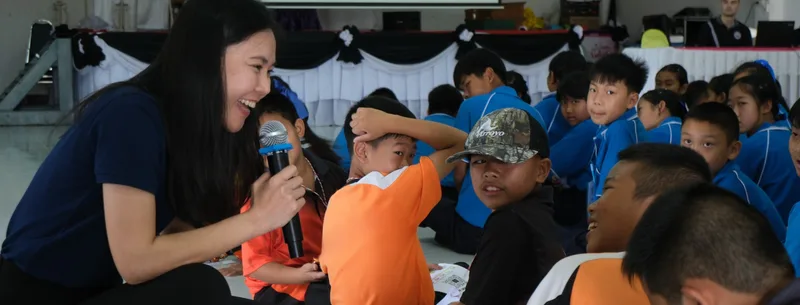
In the last couple of weeks, large parts of Honduras have been covered with a grey haze. With the temperature soaring, forest fires started to engulf the north, west and centre of the country, including the capital Tegucigalpa. Yet, children are still playing outside, nobody is wearing masks, it's business as usual.
Day-to-day life usually doesn’t change much when air pollution levels are high. People often continue with their normal routines, even when the sky is visibly filled with smoke.
The soaring air pollution is a consequence of a combination of a few coinciding factors. Noticeably, the temperatures in Honduras have been unbearably high recently, between 37 and 39 degrees Celsius (La Tribuna). The hot temperatures combined with a perpetual lack of rain, started to result in forest fires (Noticias247). Completely dry trees would simply ignite in the heat across the country. The heat waves are currently moving south, the temperature in the San Lorenzo region being 43 degrees Celsius last weekend (Accuweather).
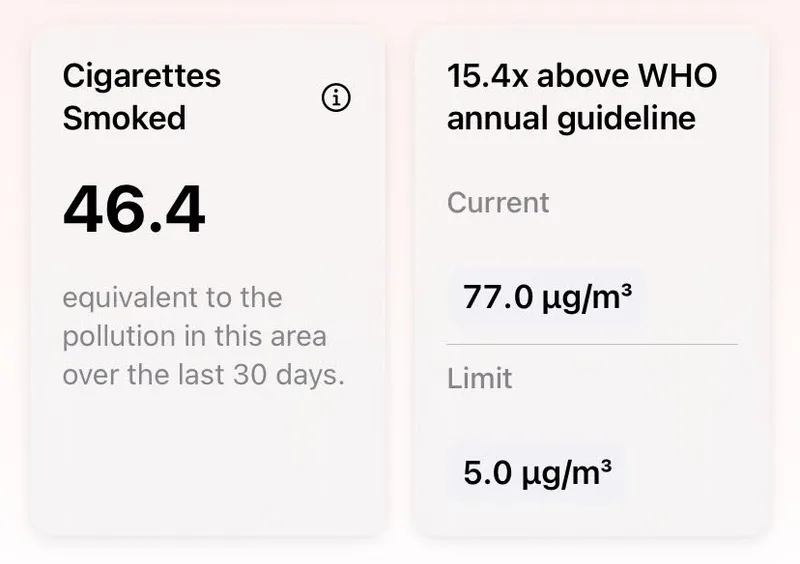
The forest fires add to the regular pollution from vehicles and industry, creating a very unhealthy environment for the citizens. PM2.5 is one of the main causes of deteriorating health of citizens, its levels oscillating around 70 µg/m³, which is 15x more than the WHO’s annual guideline (AirGradient App).
The Hondurian authorities stress the risk of increased asthma attacks and breathing problems, especially experienced by vulnerable citizens and the elderly (Tu Nota). The hospitals across the country are already suffering from a major overload of patients with respiratory issues..
To reduce the negative health impacts, citizens are supposed to restrict their physical activity outside, not leave their houses unnecessarily during peak pollution hours and wear masks as much as possible (El Heraldo).
However, as Ana highlights:
In general, there are no major changes to daily life. You can still see people going outside, children playing, and people exercising, sometimes with masks, but most activities continue as usual.
This shows that air quality data is not a stand-alone solution to protect people’s health. There needs to be education and awareness around data to truly lead to behavioural change.
Sustenta Honduras has been a gamechanger
Thanks to the organisation’s devotion to providing Hondurans with air quality data, both citizens and authorities were able to behave correspondingly to the situation outside for the first time ever.
It is the first crisis where cities beyond the 2 main ones have had access to air quality information and this has empowered people to be a part of the discussion.
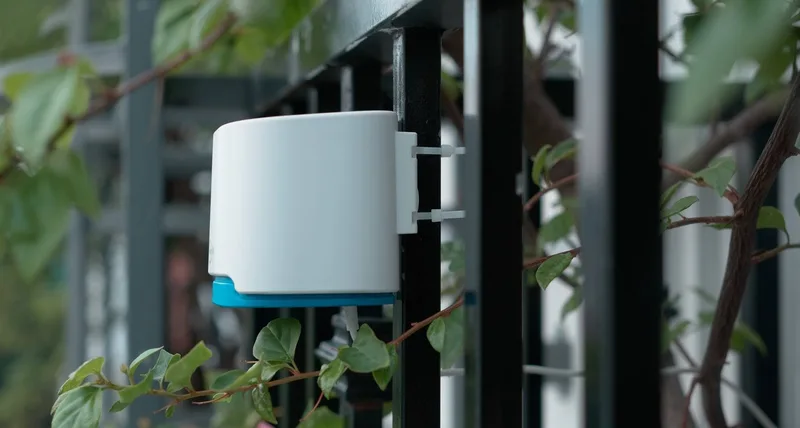
According to Ricardo, the data from the AirGradient monitors deployed by Sustenta have been replicated across national media, TV, radio, and other sources. The organisation publishes live air quality updates on their website, and sends alerts to communities impacted via email. They have also developed multiple communication channels to make information more accessible to communities.
Through a dedicated WhatsApp channel, residents receive hourly alerts whenever air quality monitors detect pollution levels that exceed the recommendations established by the World Health Organization.
However, data is not enough. It needs to be understood. Without public education, awareness campaigns, and accessible communication, people will not act. There needs to be laws and regulations in place to support the data and incentivise behavioural change.
More action is needed, such as creating the country’s first comprehensive air quality law, increasing public awareness campaigns, installing more air monitoring stations, and applying stronger measures to reduce pollution and hold people and companies accountable for harmful practices. These kinds of actions would help protect public health and improve environmental conditions in the long term.
Data without legal frameworks is just a documentation of a problem without fixing it. Change can only happen by implementing air quality laws, expanding networks and developing strong education and awareness programs. Sustenta Honduras is making amazing efforts to ensure those components are developed and implemented. We wish them the best of luck.
Sources: