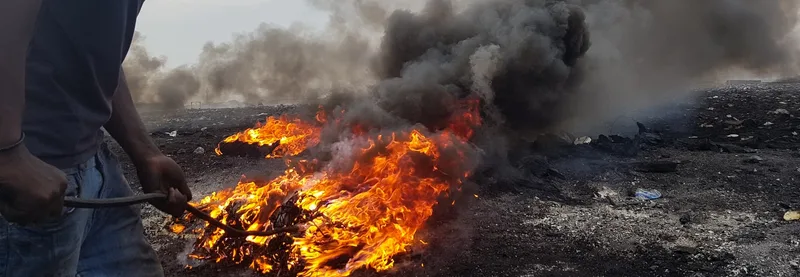
Northern Thailand, especially Lamphun, still faces a serious air pollution crisis. During the dry season (December to April) every year, air pollution from agricultural burning and forest fires gets trapped in the region. Due to Lamphun’s topography, which is located in a valley surrounded by mountains, there is less ventilation to disperse the haze away. At the same time, the meteorological phenomenon (temperature inversion) of cold winter weather can trap polluted air close to the ground. During this period, the dangerous fine particles called PM2.5 rise far past safe limits. This makes tracking the air quality a major public health priority to raise awareness and protect local communities.
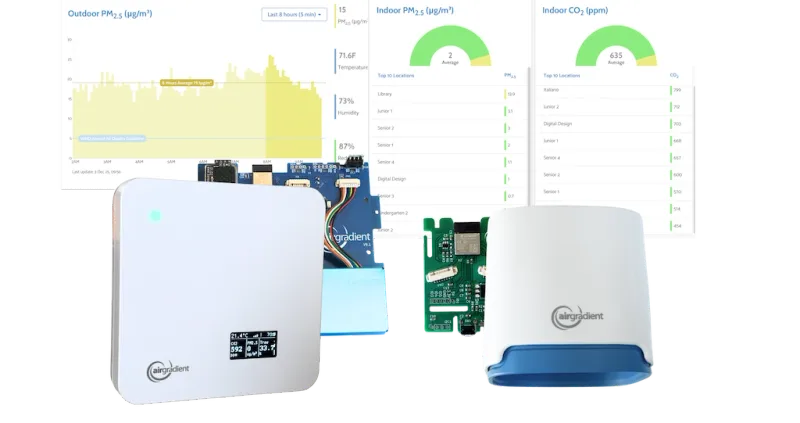
This inspiring journey actually began back in March at the Better Air Quality (BAQ) Conference in Bangkok in March 2026. Mary, a Peace Corps Thailand volunteer, was determined to start a local air quality project in Lamphun using an AirGradient monitor. To help bring this vision to life, AirGradient agreed to provide three units of their Outdoor Air Quality Monitoring Toolkit for this volunteer project. These monitors were then installed directly in local Lamphun villages to help communities track air quality in real-time and raise awareness on air pollution.
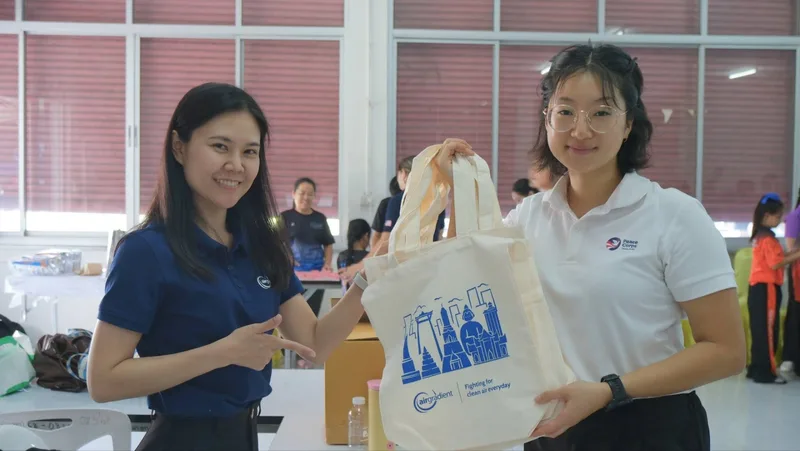
On May 29th 2026, the PM2.5 Camp in Lamphun was organized by Mary with support from local schools and municipality in Lamphun, aiming to bring more awareness to air pollution and the environment in the community. At the Camp, the local youth spent the day participating in hands-on science, exploring real-time tracking technology, and contributing directly to local sustainability efforts such as pollution mapping and self-health assessments. Students then designed posters summarizing the most important facts their families and home villages need to raise awareness about air pollution issues.
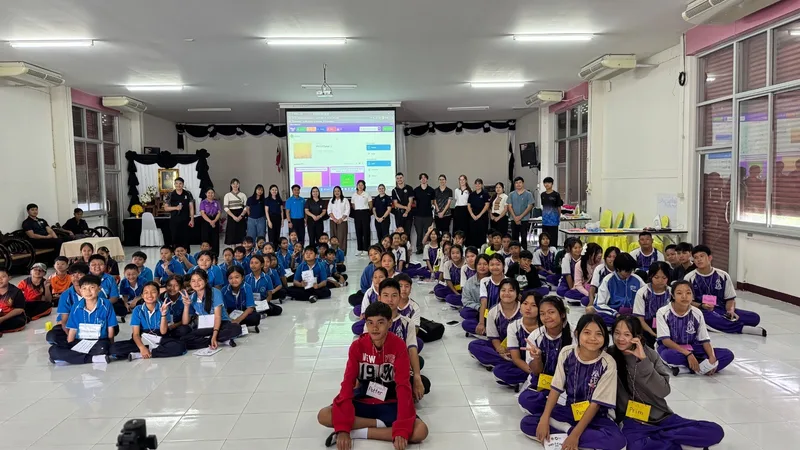
AirGradient was invited to be a speaker for “Learning About PM Sensors” for the Camp. This Camp empowers students to know that we can take actions, positive steps to understand and protect our communities against air pollution.
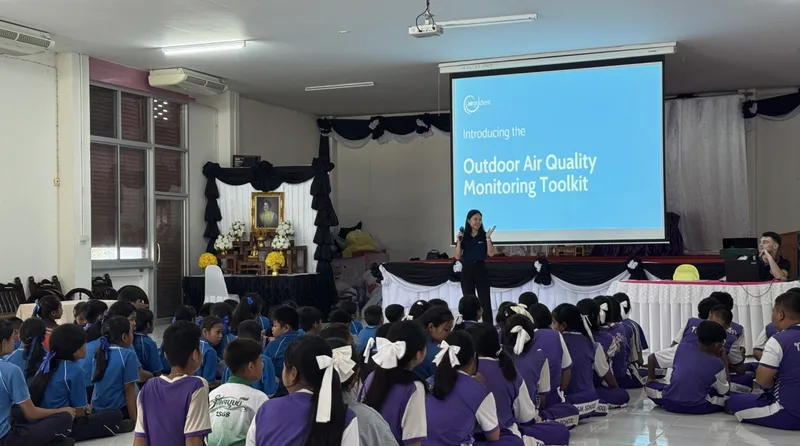
One of the key technical highlights involved introducing students to the Outdoor Air Quality Monitoring Toolkit installed right at their schools. We helped students learn how the schools’ air quality monitor uses the sensor to measure fine particles, temperature and relative humidity in their communities.
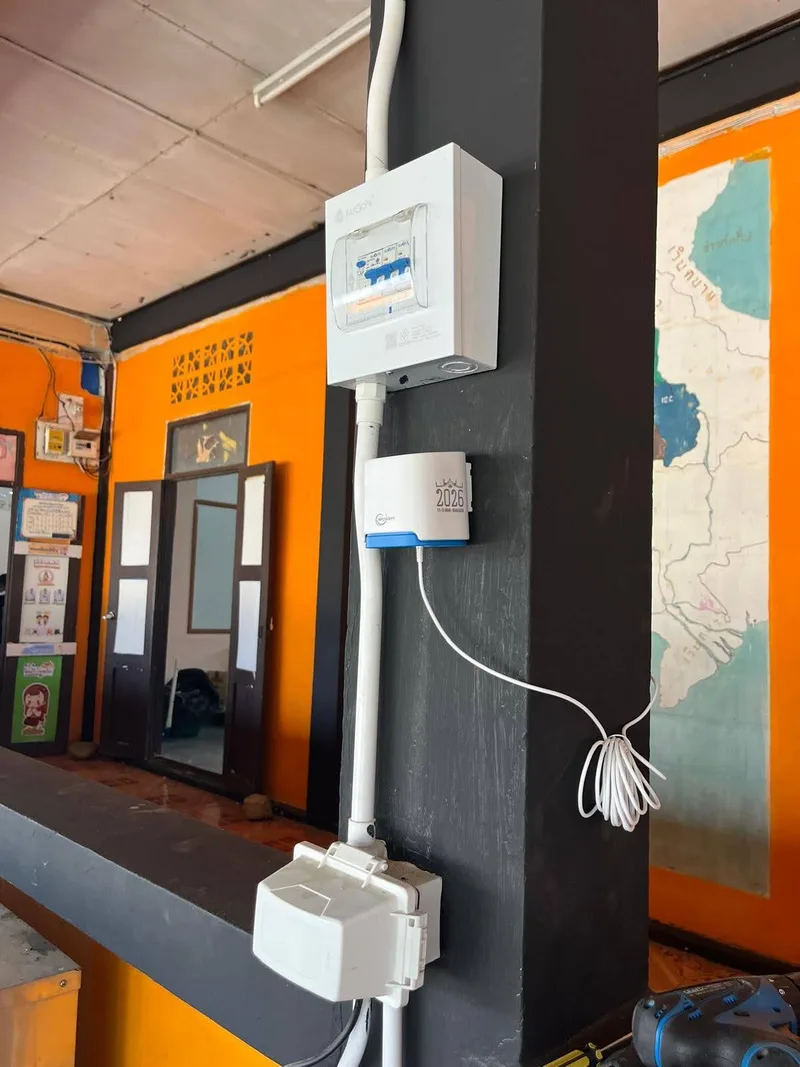
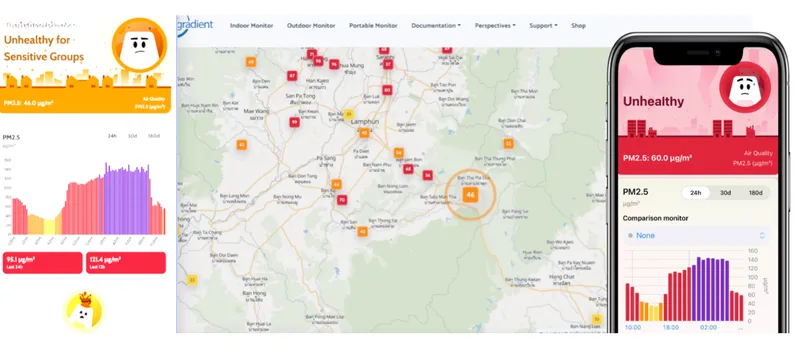
Moreover, students learned how to read PM2.5 concentrations and AQI values from the AirGradient dashboard. The students were then encouraged to download the AirGradient application and explore the air quality map to monitor the air quality situation in their communities and set up alerts on the mobile app.
In addition to education on PM2.5, the Camp provided other hands-on environmental activities such as creative upcycling crafts using plastic bottle caps to make eco keychains and tree planting for World Environment Day to help capture air pollution and filter ambient air.
A better future starts with our youth, so getting them interested in local issues like PM2.5 and empowering them on what we can do to make changes is the first step.
Reflecting on my experience participating in this camp, I am thankful for being invited to join the Camp. This Camp proved that true change begins with raising awareness and action. By providing the youth with scientific tools and practical ecological knowledge, we ensure they are now helpers in their community on air pollution and the environment. I see that the success of this camp shows that when local governments, technology experts, schools, and young people come together, we can take meaningful steps toward better air quality and a healthier future.
Finally, we would like to share some of the moments we had together at the camp in this video: