Last week, our team attended the 12th Better Air Quality Conference, which took place in Bangkok, Thailand. This year’s theme, Together for Clear Skies: Driving Action, Accelerating Investment, set the tone for what the week would become: a space for sharing ideas and pushing toward collective action across the region.
At the start of each day, we attended plenary sessions, which helped frame the bigger picture and grounded the rest of the conference. Looking back, the three-day program revealed several important themes.
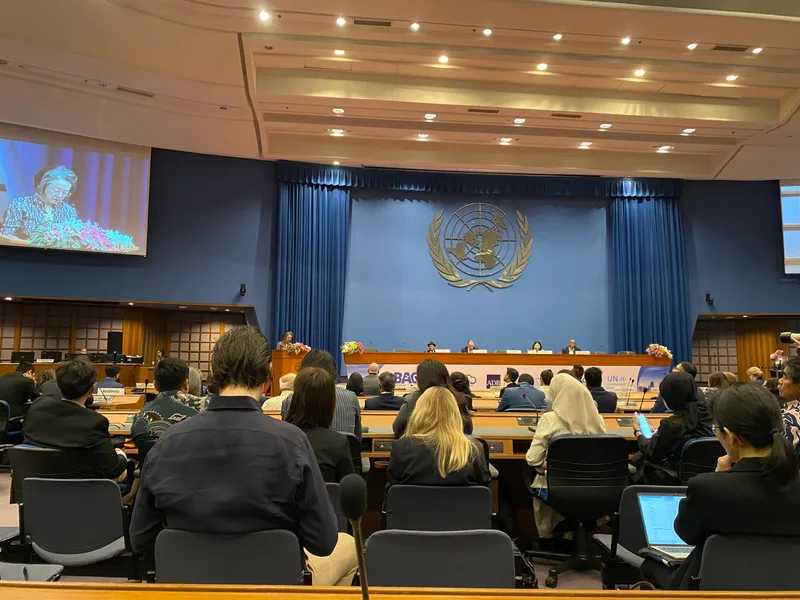
Themes that shaped the discussions
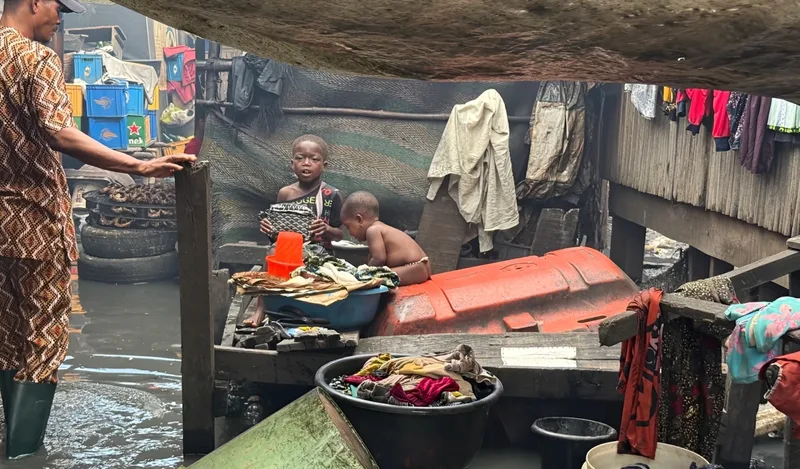
One of the clearest messages was the importance of reliable data in moving things forward. Without a clear picture of where pollution is coming from and how it affects people, it becomes difficult to build momentum around solutions or bring other stakeholders on board, especially when it comes to funding. What also came up was the importance of how that data is shared. When air quality data is made more accessible, it changes how people engage with it. It creates a common reference point, making it easier for communities, governments, and organisations to align around the problem of air pollution and start thinking more about what needs to be done.
What was also underscored was the noticeable gap between the scale of the problem and the level of funding currently available. Several countries that are dealing with the worst air pollution still struggle to access targeted support, often because the institutional capacity to receive and manage that funding is not yet in place. Factors such as limited monitoring and a shortage of local technical expertise all make it harder to develop projects that are ready for investment.
This is where the idea of an enabling environment came up, tying many of the earlier points together. It was emphasised that while technical gaps remain important challenges, they are often part of a broader set of institutional and social barriers. In many cases, the tools and knowledge already exist, but without the right structures, they are difficult to put into practice.
By the final day, the conversation had naturally shifted toward implementation. The focus was no longer on what needs to be done, but on how to actually make it happen, and how to do so at scale. It became clear that progress depends less on new solutions and more on strengthening the systems that allow existing ones to work, especially across sectors that are closely linked, such as climate, health, and development.
Where we see ourselves in this
Listening to these discussions gave us the chance to reflect on how they connect to the work we are already doing. Are we moving in the right direction? Are we addressing the gaps that keep coming up in these conversations?
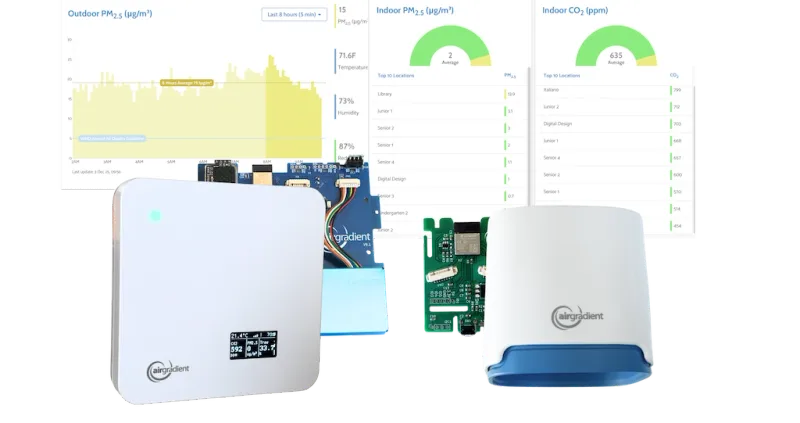
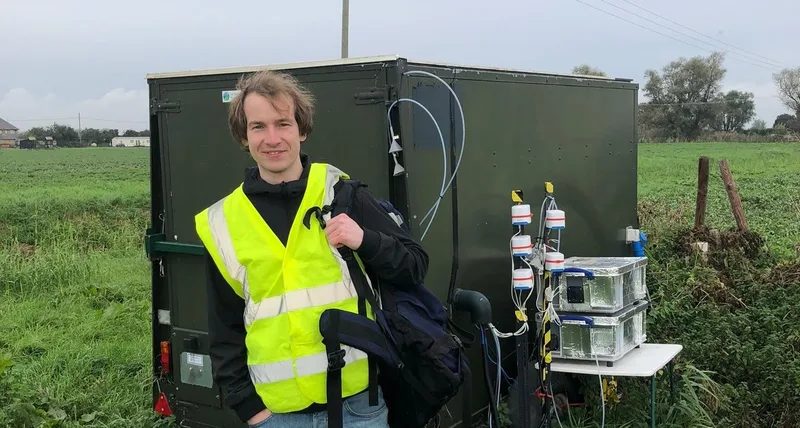
As mentioned earlier, one of the recurring challenges that was raised throughout the plenary sessions was access to reliable, local data and the systems needed to support it. This is something we have been trying to approach through the Open Source Air Quality Monitoring Toolkit developed together with UNDP Global Centre in Singapore. The idea behind it is to make monitoring more accessible to communities that lack the resources to do so and to remove the barriers to getting started. Right before the conference, we also ran a pre-event session around the toolkit, where participants from different backgrounds worked through the basics of setting up and operating a monitoring network. It was a smaller moment within a much larger event, but it opened up a practical exchange around how the toolkit can be applied in the real world.
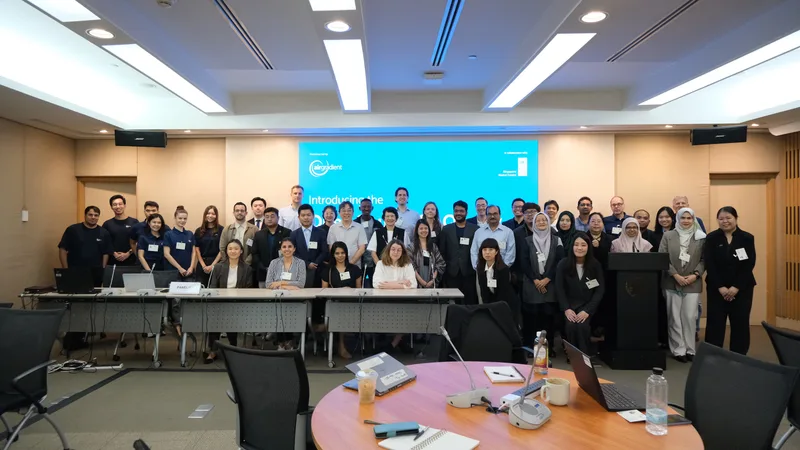
Apart from this, we have also been working on establishing the Open Air Foundation, looking at how we could support clean air initiatives over time by connecting people, resources, and funding in a way that allows projects to grow beyond their initial stages. A lot of what was discussed during the conference pointed to the need for stronger coordination and long-term support.
Taken together, it feels like we are moving in a direction that responds to many of the gaps that were brought up. There is still a lot to figure out, but the emphasis on openness and collaboration remains central to how we want to keep building on this work.
In between sessions
While the plenary sessions helped shape the bigger picture, some of the most meaningful moments happened outside of them. On some days, I had the opportunity to attend smaller sessions that offered a different kind of space. They were more interactive and context-specific, allowing for deeper reflection and brainstorming. In many ways, they complemented the larger discussions by showing how these ideas are being applied on the ground at different scales.
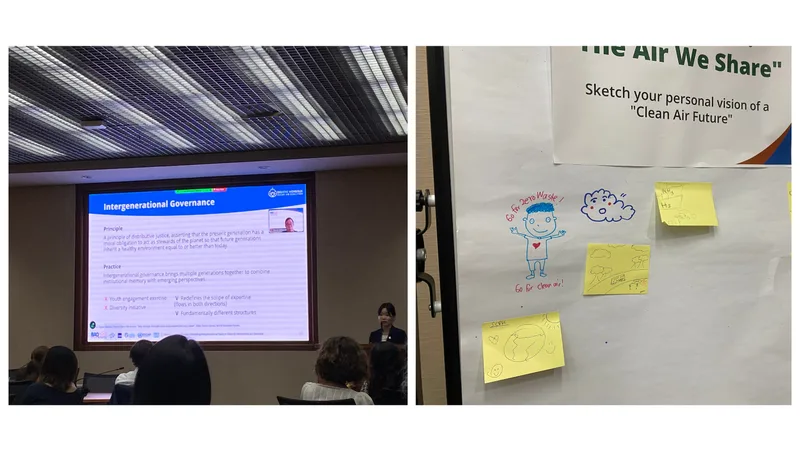
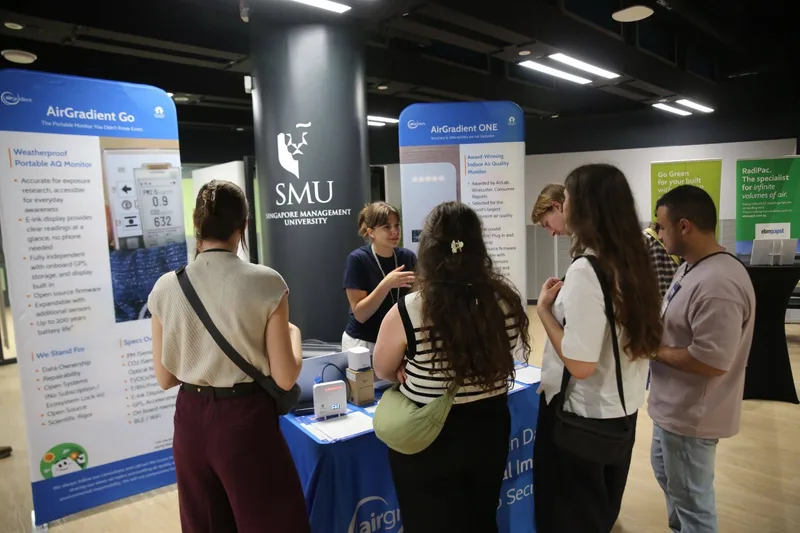
What also stood out were the in-between moments. Coffee breaks and quick conversations between sessions ended up being where a lot of real connections happened. There was something about stepping away from the structure of the sessions that made it easier to talk openly and find common ground with other participants.
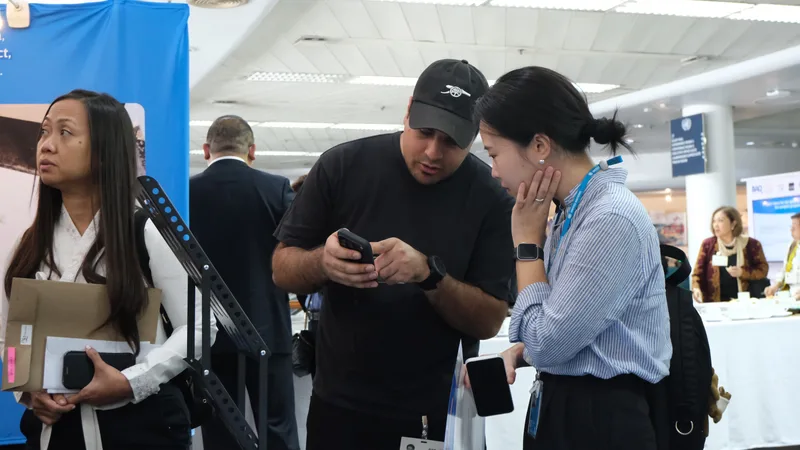
It was in these moments that we met people working on similar initiatives from all over the world. Those conversations felt like the beginning of potential collaborations, or at the very least, a shared understanding that we are not working in isolation when it comes to advocating for cleaner air.
Looking ahead
To close out the week, one point came through clearly: we are not starting from zero. The knowledge exists, and the tools to address air pollution are getting better. Oftentimes, what is missing is the room to put it all into practice consistently.
This is both a challenge and a reason for optimism, because the gaps we are dealing with are not new to us and are problems we already know how to begin solving. Progress is happening, but it is still unevenly distributed – and that unevenness is where much of the work still lies.