There are a few types of videos that do very well on YouTube, and one of them caught our team’s attention. I’m sure you'll know exactly what I’m talking about: someone holds a brand new phone over a concrete floor, lets it go, and millions of people watch to see what happens. We've all seen them. Some of us have watched more of them than we'd like to admit (I may be in this boat).
Naturally, after watching a few of these videos, we let out inner thoughts get the better of ourselves and asked: ‘what happens when we drop the AirGradient Go?’. Before long, we’d come up with the brilliant idea to drop our upcoming portable monitor off the roof of our factory.
To be clear, we didn't expect the Go to do too well. Three stories up, flat onto the concrete ground below, we already knew it wasn't going to land well. But there's something about watching a device you've spent months building hit the floor at speed that tells you things a structured test can't. The Go did not survive, and we can’t say we were surprised.
What the roof drop did do, though, was make us think more seriously about durability. Portable monitors get dropped. They fall off desks, slip out of pockets, get knocked off tables. If the Go is going to live in people's bags and hands, it needs to handle the kinds of drops that actually happen in real life, not just a three-storey stunt. So we went back to the drawing board, set up a proper drop test, and started from one metre.
Here's what we found.
Round One
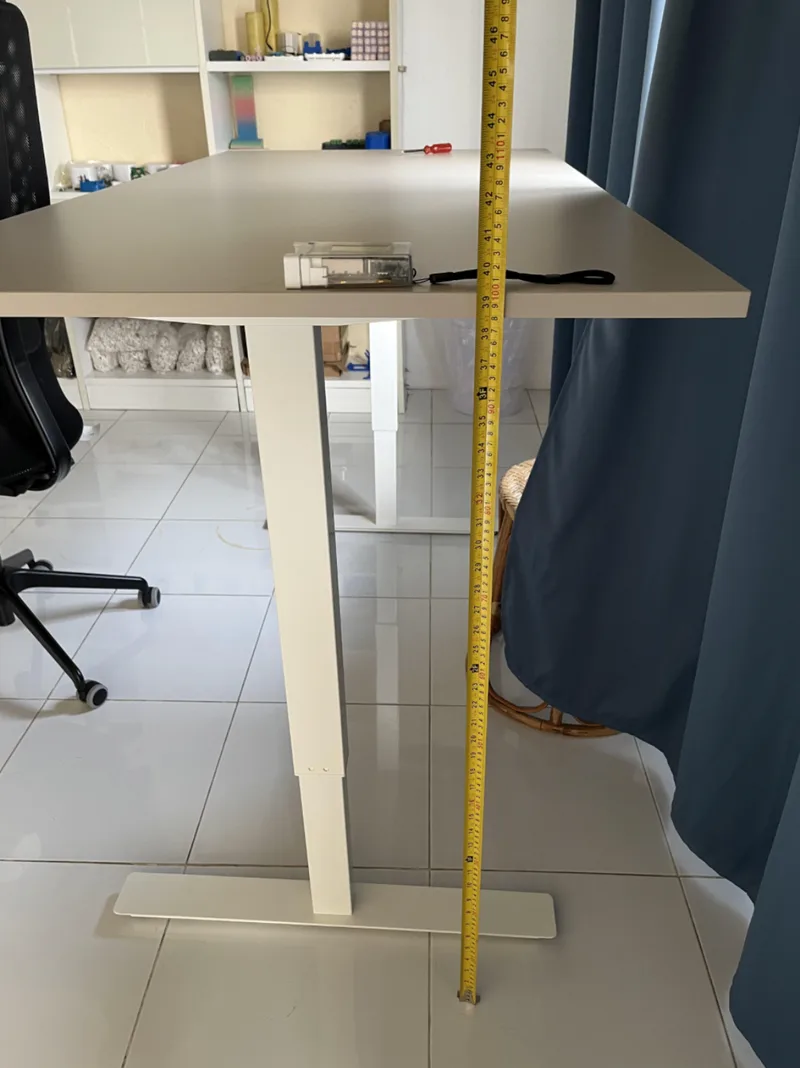
Our hardware engineer, Birdy, set up a structured drop test, allowing him to drop the device from one metre onto a hard floor across eight different impact positions: front, back, bottom, top, and all four corners. Each position was intended to be tested 10 times (but more on that soon).
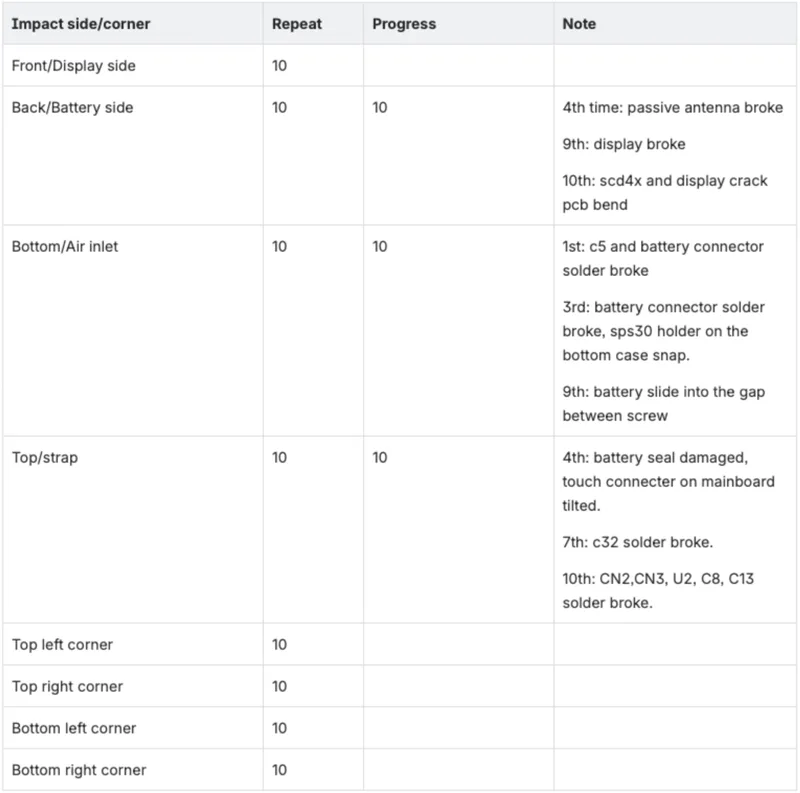
Dropping the device on its front (the side with the e-ink screen), it took no significant damage and easily survived 10 cycles. The back and bottom took more of a beating. On the fourth back-side drop, the passive antenna broke. By the ninth, the display had broken too. The tenth left us with a cracked PCB and a damaged SPS30 sensor.
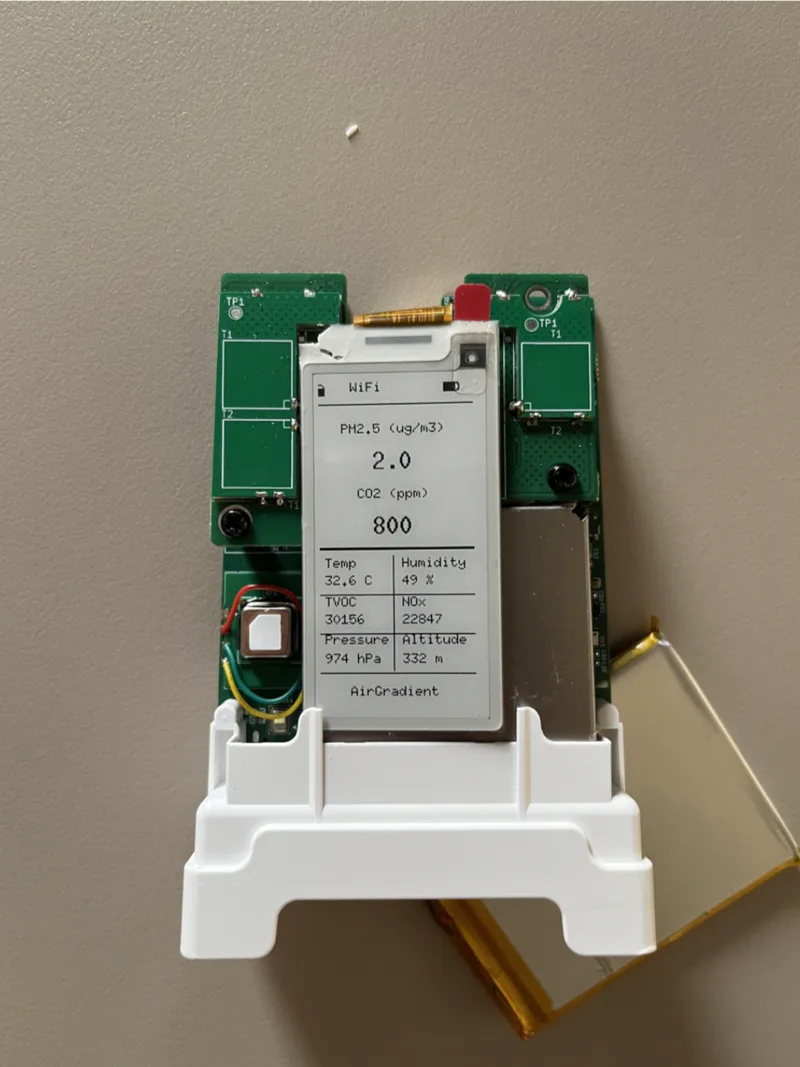
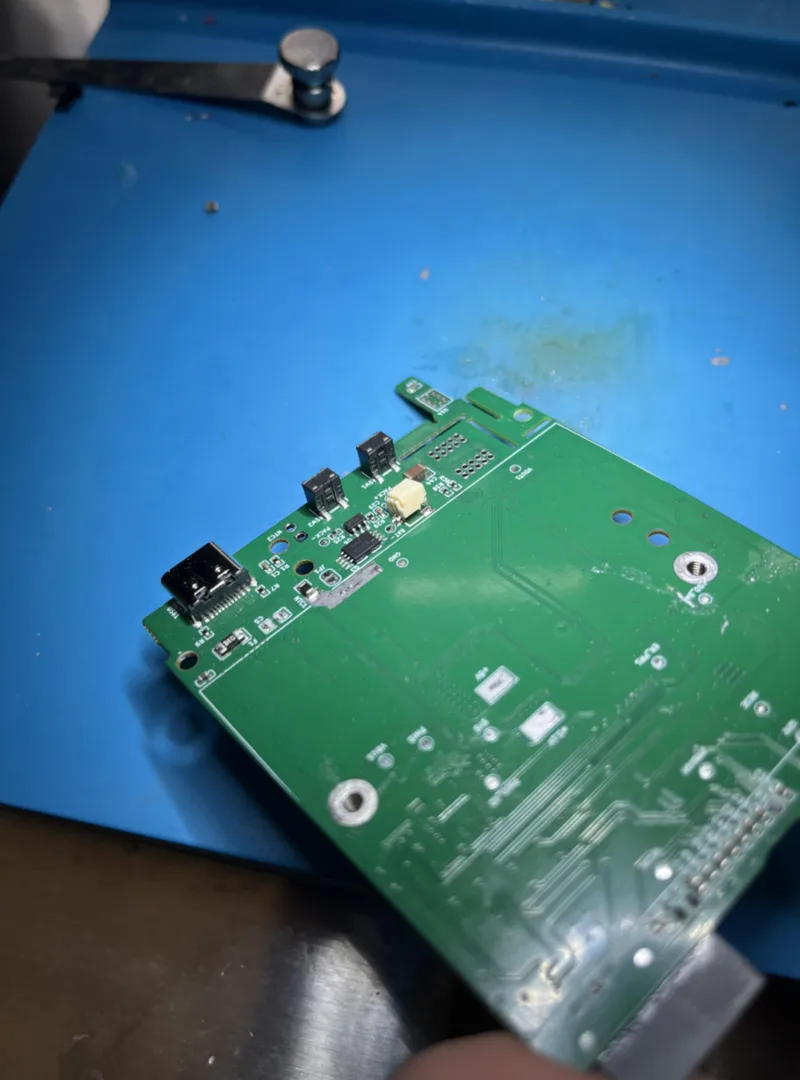
Already damaged, the bottom impacts caused solder joints to break on the first drop. By the third, the SPS30 holder on the bottom case had snapped. The top drops were similarly rough: the battery seal was damaged on the fourth, a solder joint broke on the seventh, and by the tenth, five more components had broken many solder connections.
At that point, the device was too damaged to continue and we also made the call to skip the four corner tests entirely. We only have a small number of prototypes right now, and systematically destroying them all didn't seem like the smartest use of limited hardware. Once we have more units on hand, we'll run the full suite.
Looking at the damage from the first round, Birdy took the results and made a few targeted changes: gluing the three heaviest and largest components in place. The SPS30 particle sensor, the screen, and the battery had all been held with double-sided tape before. For round two, they were glued.
Round Two
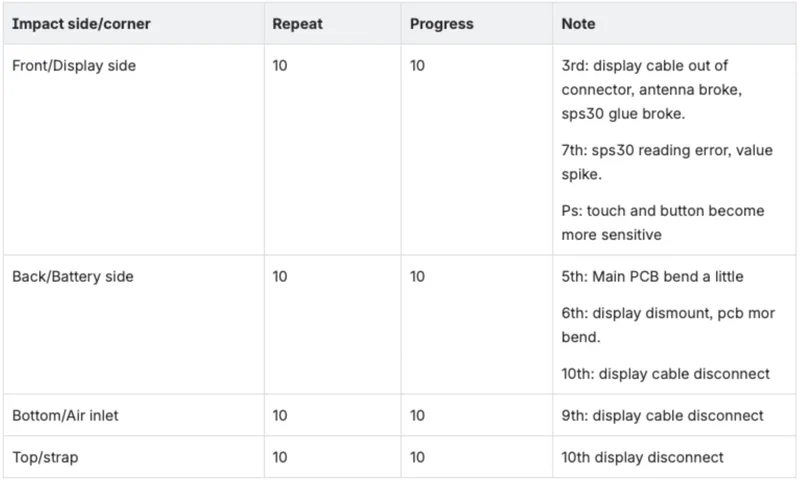
The second round told a better story. All four tested positions completed the full ten drops. But the display cable kept disconnecting across multiple impact directions, which isn't a failure we'd fixed between rounds. On the front-side drops, the display cable came out of its connector on the third drop, and the SPS30 threw a reading error on the seventh. The back-side drops caused the main PCB to bend slightly by the fifth drop, and the display dismounted by the sixth. By the tenth, the cable had disconnected again.
It's clear that the gluing helped. Fewer catastrophic failures, and no broken solder joints in the same way we saw in round one. But the display cable issue is persistent, and bending on the PCB is something that we will look into addressing.
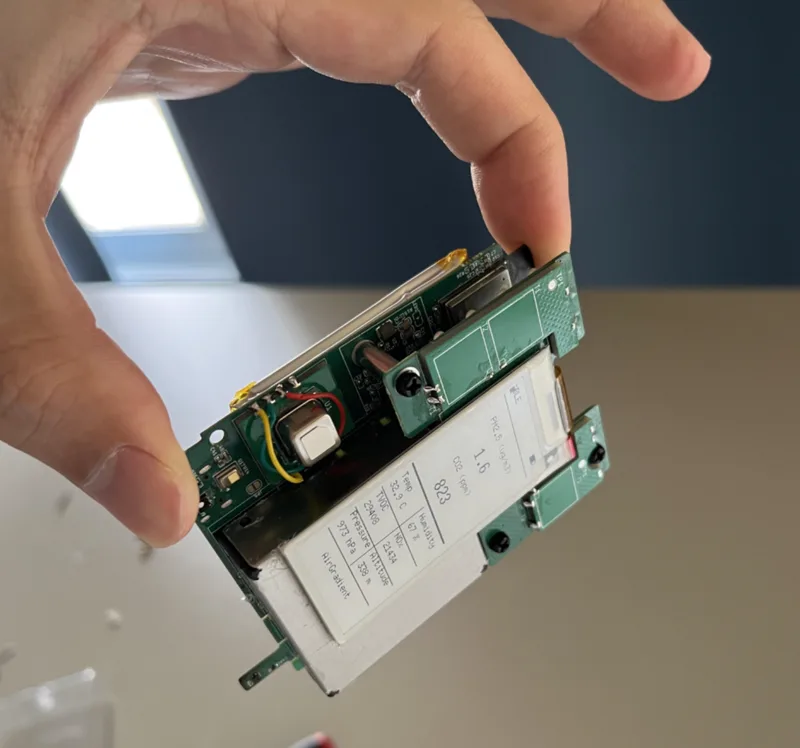
Gluing the key components made a big difference, but we're aware it creates a tradeoff. Glued components are harder to repair, which matters for a device we want to be serviceable. We're looking at whether gluing additional components helps further, and working through where that balance sits between durability and repairability. The display cable disconnection is the other obvious thing to address, and thankfully that should be a straightforward fix. It kept coming loose across multiple impact directions in round two, but it's more just a case of making sure it's properly secured.
The roof drop is a reminder that no portable device survives everything. We're not trying to build something indestructible. We are trying to make sure that a drop from your desk, your bag, or your hand doesn't end the device's life, and we still have some improvements to make. Don't worry! We'll be durability testing this device a lot more over the next few weeks and we will ensure the final device is as durable as is feasible.