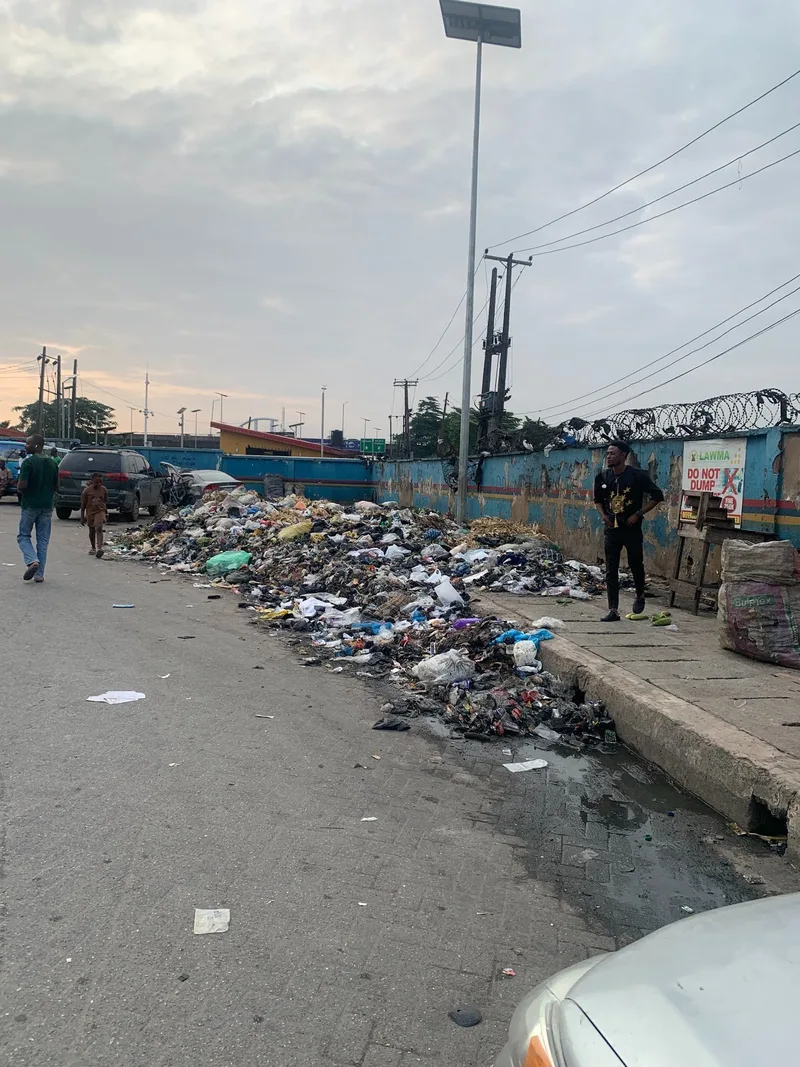
It is early morning in a busy neighbourhood somewhere in West Africa. A pile of household waste burns quietly outside a compound while smoke drifts across the street. A few kilometres away, waste at a community dumpsite has been set alight to reduce its volume. At the edge of another town, farmers burn crop residues after harvest to prepare their land for the next planting season. Across the city, cables from discarded electronics are being burned to recover copper, while tyres and plastic waste smoulder beside an informal workshop.
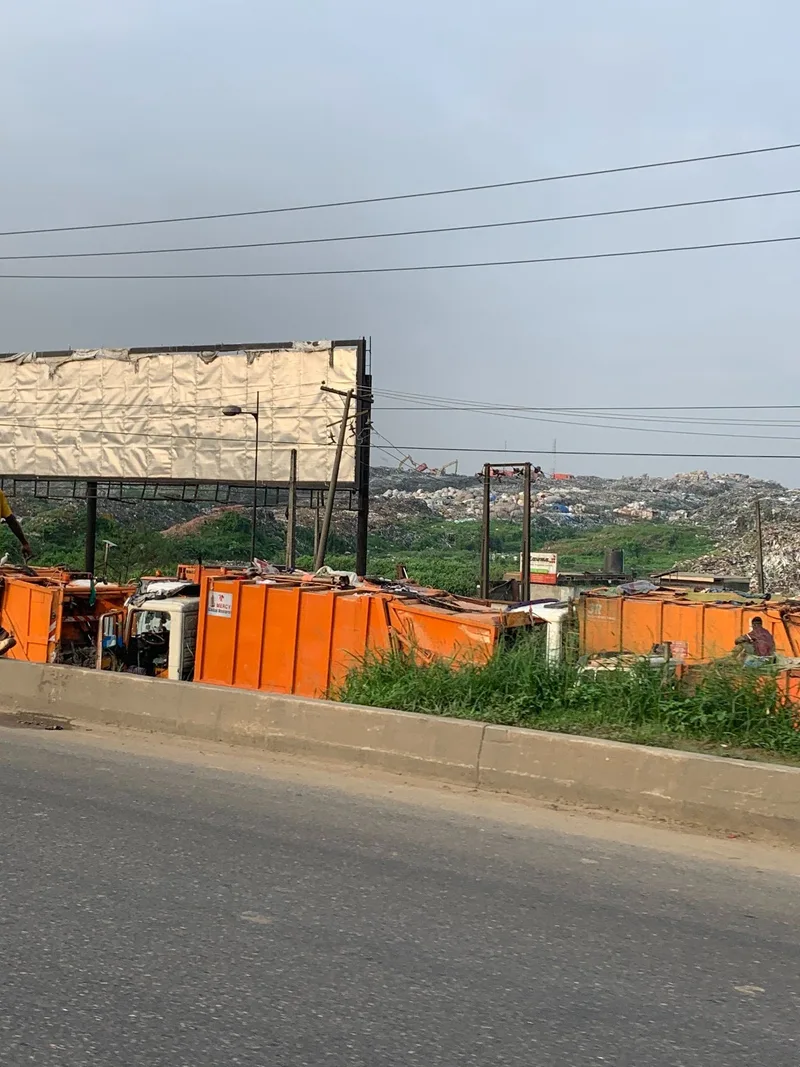
I had a firsthand experience of waste burning during my visit to an industrial area in Alagbaka, Akure, Nigeria, in 2023 as part of my undergraduate thesis. The area was heavily polluted, and the smoke significantly reduced visibility. It was difficult for me to see people from a distance. This experience spiked curiosity and interest in me because I couldn't stop thinking about the health implications for people living in the area and how prolonged exposure to polluted air could affect their well-being.
Open burning of waste is one of the most common methods of waste disposal in many communities across West African cities. These scenes are familiar across many West African countries. Whether in Ghana, Nigeria, Sierra Leone, Liberia, Benin, Côte d'Ivoire, Senegal, Togo, or elsewhere in the region.
Growing up in Ghana, waste burning was part of everyday life. Almost every morning and evening, it was common to see smoke rising from nearby homes as families burned household waste in small pits within their compounds. I also remember taking our household refuse to the community dumpsite, where waste was often burned. During school holidays, I watched my grandparents prepare their farmland by clearing and burning vegetation before the next planting season, while sawmills in my community regularly burned piles of sawdust.
Although these activities may appear small and routine, together they contribute significantly to air pollution across the region. While the waste may disappear from sight, it has simply changed form, becoming smoke filled with harmful pollutants that drift through neighbourhoods, enter homes, and eventually find their way into our lungs.
Why Do People Burn Waste in West Africa?
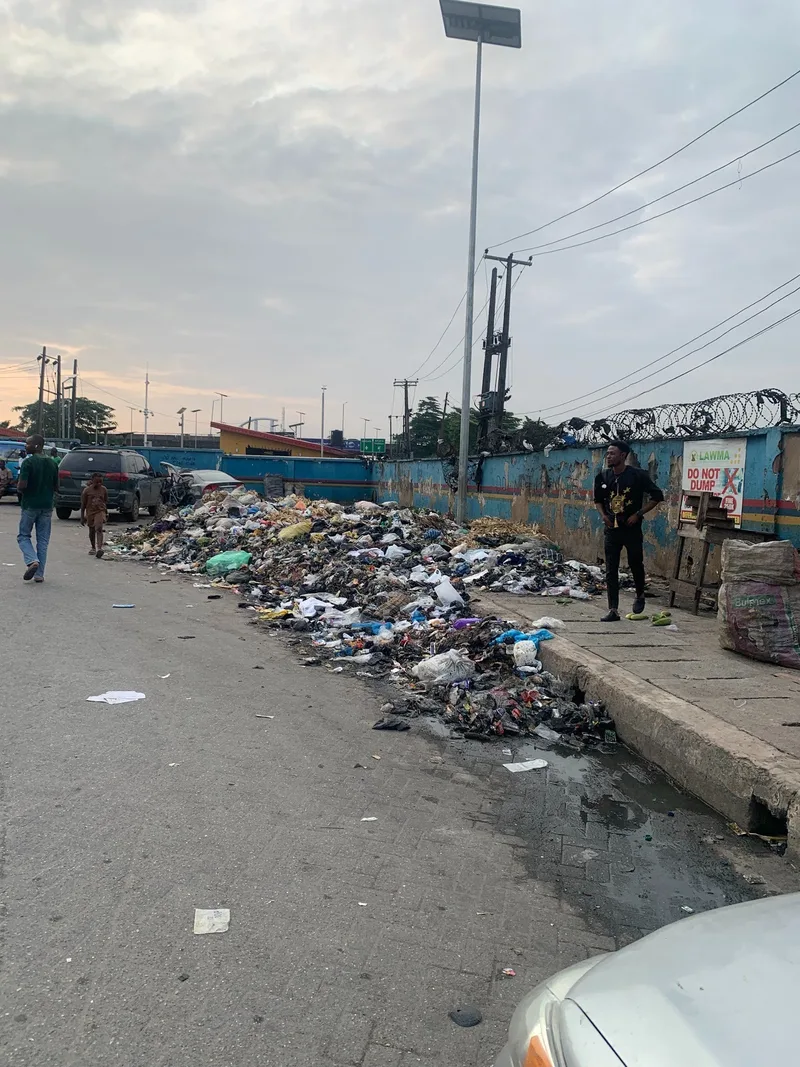
For many communities across West Africa, waste burning is not simply a personal choice; it is often a response to gaps in waste management systems and limited alternatives. In many urban and rural areas, households and businesses burn waste because it is one of the few immediate options available when proper collection, recycling, or disposal services are inaccessible or unreliable.
Some of the main reasons why waste burning remains common across the region include:
- Limited and irregular waste collection services: In many communities, especially informal settlements and peri-urban areas, waste collection services do not reach every household consistently. When waste accumulates with no collection option available, burning becomes a quick way to reduce the volume of waste.
- Limited access to waste disposal and treatment facilities: Many communities have few nearby engineered landfills, recycling centres, or waste processing facilities. As a result, residents often rely on open dumping and burning as a traditional method of managing household waste.
- Rapid urbanisation and rising waste generation: West African cities are growing rapidly, creating more waste than existing management systems can handle. The increasing amount of plastic packaging and other materials has placed additional pressure on already stretched waste services.
- Cost and accessibility challenges: For some households and small businesses, paying for formal waste collection or transportation to disposal sites may be difficult or unaffordable. Burning waste can appear to be the cheapest and most convenient alternative.
- Long-standing community practices: In some areas, open burning of waste has become a normalised practice passed down over generations, particularly where communities have historically relied on burning to manage household refuse.
- Agricultural practices: In rural communities, farmers may burn crop residues after harvest as a traditional land preparation method, despite the air pollution and health impacts associated with smoke emissions.
- Informal recycling and recovery activities: Across many West African cities, informal waste workers may burn cables, plastics, and electronic waste to recover valuable materials such as metals, often because safer recycling infrastructure and protective systems are limited.
In places where waste is burned as a means of disposal, the resulting smoke released contains harmful pollutants that affect both nearby communities and regional air quality.
What Happens When Waste is Burned?
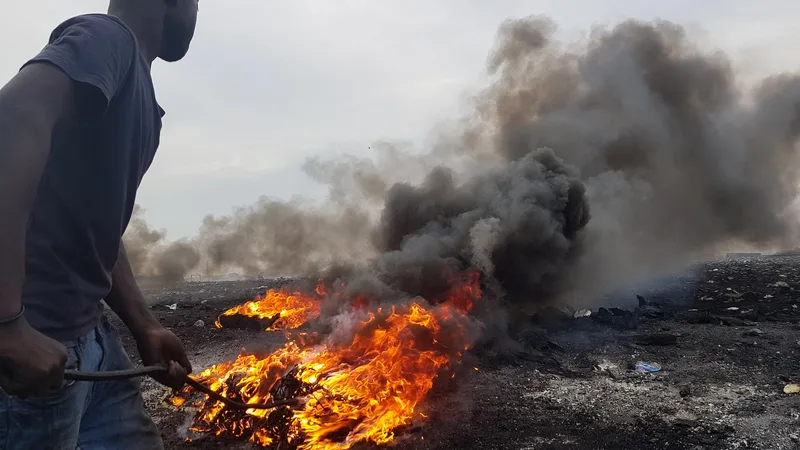
According to the World Health Organization (WHO) open burning of waste releases toxic pollutants such as carbon monoxide, black carbon (soot), volatile organic compounds (VOCs), polycyclic aromatic hydrocarbons (PAHs) and PM 2.5.
Exposure to these pollutants can contribute to:
- Eye, nose, and throat irritation.
- Coughing and difficulty breathing.
- Asthma attacks and other respiratory illnesses.
- Reduced lung function.
- Cardiovascular disease.
- Increased risk of certain cancers from prolonged exposure to toxic emissions.
- Greater health risks for children, older adults, pregnant women, and people with existing respiratory conditions.
For many communities, these health impacts occur gradually and may not always be immediately linked to the exposure to these smoke they encounter every day.
What Can Individuals and Governments Do?
Addressing waste burning requires coordinated action at multiple levels.
Individuals can:
- Avoid burning household waste.
- Reduce the use of single-use plastics.
- Recycle whenever possible.
- Compost biodegradable waste where practical.
- Report illegal waste burning where appropriate.
- Share information with family, friends, and neighbours about the health impacts of smoke pollution.
Governments and local authorities can:
- Improve waste collection services.
- Expand recycling and composting programmes.
- Strengthen enforcement against illegal open burning.
- Invest in sustainable waste management infrastructure.
- Promote environmental education and behaviour change.
Moving Beyond Waste Burning
Reducing waste burning is not only about enforcement, it is about providing practical alternatives that people can realistically adopt.
Across West Africa, efforts to reduce waste burning are increasingly being linked to broader improvements in waste management systems. Rather than focusing only on stopping burning, governments and organisations are working to address the underlying challenges that push communities toward open burning, including limited waste collection, inadequate disposal facilities, and low recycling capacity.
At the regional level, governments, organisations, and communities are exploring practical ways to reduce waste burning and improve waste management. In Ghana, the Green Africa Youth Organization (GAYO) has demonstrated how community-led approaches can provide practical alternatives to open burning. Through its Sustainable Community Project in New Edubiase, where open burning was identified as the dominant method of household waste disposal, GAYO worked with the community to promote waste segregation, composting, recycling, and local entrepreneurship as part of a circular economy model.
Building on this approach, GAYO has since expanded its Zero Waste initiatives in parts of Greater Accra, working with households, local authorities, municipal assemblies, waste workers, and local communities to promote waste segregation, composting, recycling, and public awareness while improving waste recovery systems and reducing reliance on open burning. These efforts show that reducing waste burning requires not only stronger policies, but also practical, community-driven solutions that people can adopt and sustain.
Several West African countries have also introduced policies aimed at reducing waste generation and improving resource recovery. These include efforts to expand recycling, strengthen waste regulations, improve hazardous waste management, and promote producer responsibility approaches. Côte d’Ivoire and Senegal, for example, have included waste management actions within their climate commitments and are working with international partners to develop policies and capacity for reducing emissions from the waste sector.
Looking ahead
Waste burning is a shared challenge across West Africa, but it is also a shared opportunity for change. Cleaner air depends on stronger policies, improved waste management systems, and informed communities that understand how everyday actions affect the air we all breathe. By taking action together, we can reduce open waste burning and move towards healthier, more sustainable communities across the region.