The months have passed quickly, and it's now September - almost two months past our anticipated July launch date for the AirGradient Go. A lot of you are wondering where your order is, and fairly so. Unfortunately, I have to be the bearer of bad news: If you've already pre-ordered an AirGradient Go, it will likely take at least a couple more weeks to ship. With that being said, we wanted to provide you with an update as to why your device is delayed and what has been happening behind the scenes.
As someone who has backed various products in the past, I fully acknowledge how much trust is involved in committing to early pre-launch products. Therefore, I want to begin this by saying that we truly appreciate your support and belief in both AirGradient and our upcoming portable monitor. We are sorry for the delays, and we are still fully committed to fulfilling all pre-orders and fully launching the product as soon as possible.
To date, hundreds of units have already shipped, and more are shipping as they become available. However, we still have a lot of pre-orders to get through and we appreciate your patience as these are gradually filled. Here’s a timeline of everything that’s happened so far.
How we got to the pre-order
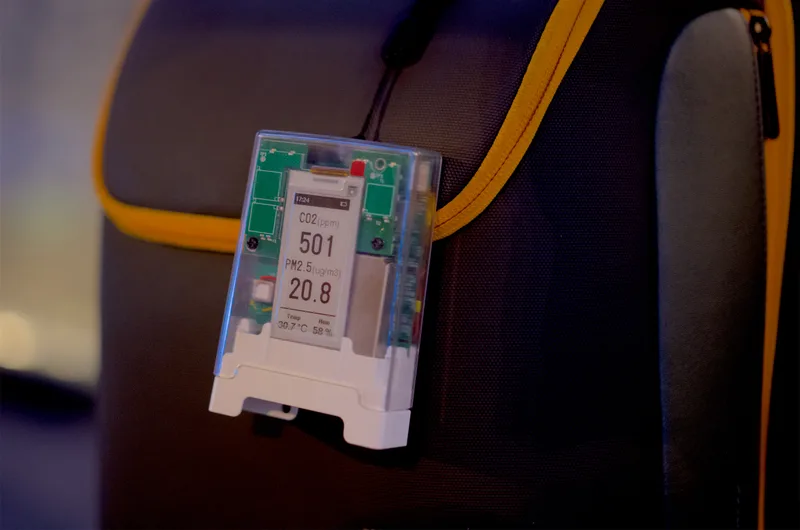
For a bit of background context, we initially announced the AirGradient Go back in January of this year after months of development. Right after the BAQ 2026 conference in mid-March, we hosted a webinar that launched the pre-order phase of the Go. At this time, we had a shipping target of July, which seemed reasonable as everything was going smoothly and we had a good number of working prototypes already on hand. During this time, we were also creating regular development process updates discussing things like the sensor selection and how we finalised our injection mould.
The First Production Run
In early June, we produced 250 Go units and we planned 750 more for July. However, around this time, we also identified an issue with the touch button sensitivity on the PCB that led to us needing to revise the PCB design. Essentially, 'ghost' touches were quite common and a persistent issue across different devices. The below images show one of the impacted units.
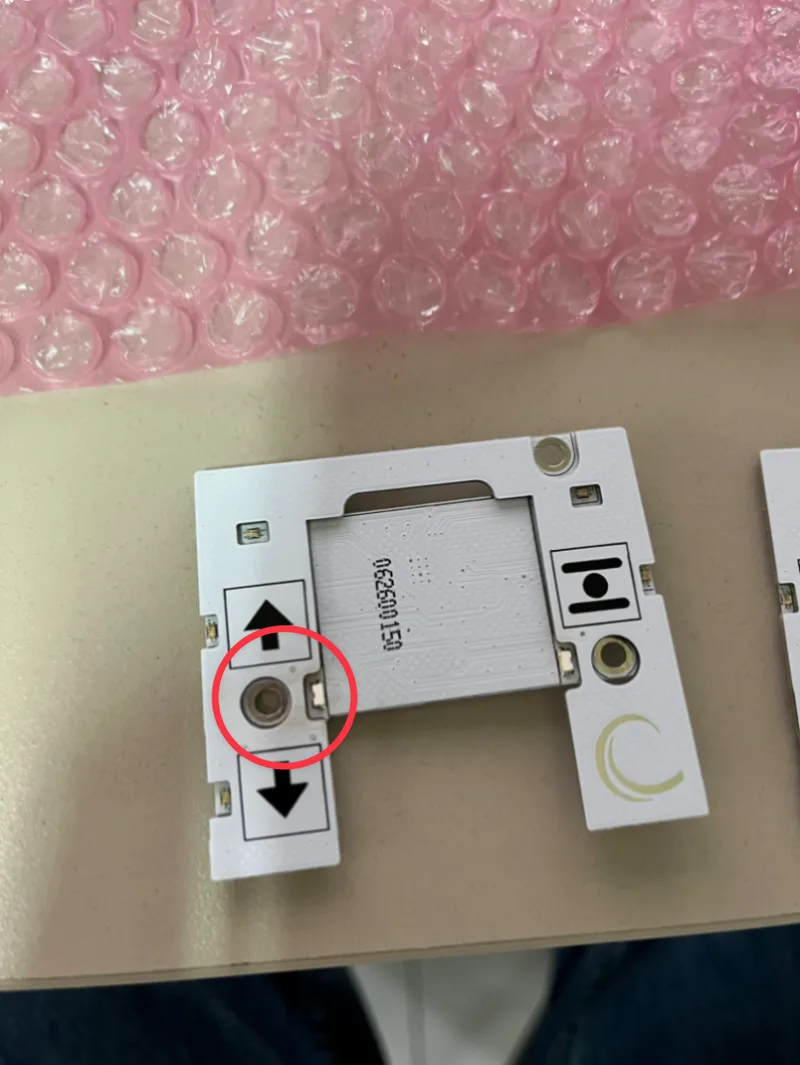
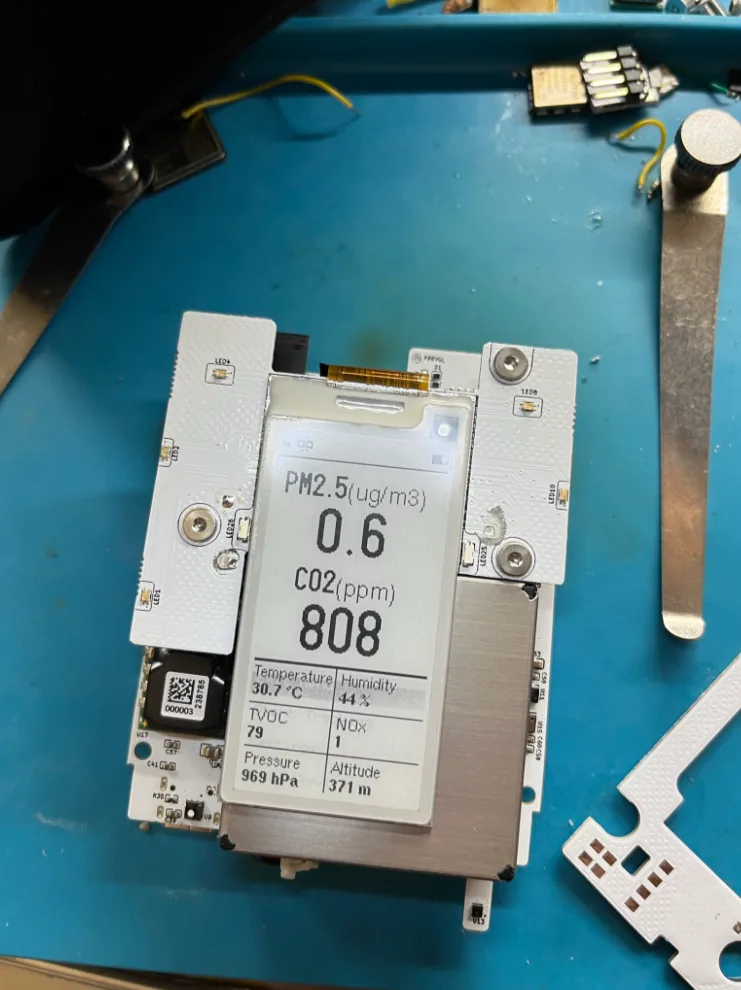
By mid-June, we had updated the PCB design and sent it to our PCB assembler, and these new boards began to be printed. Unfortunately, this new PCB was more complex, and it led to a very significant percentage of PCBs being faulty (in one batch, 55 boards failed while 75 passed). At this point, one of our team members, Tai, even went to the PCB factory to oversee the production of the boards and try to ensure their quality and yield improved. For the existing devices that had the ghost touch issue, our hardware engineers hand-fixed every unit we already had in Chiang Mai.
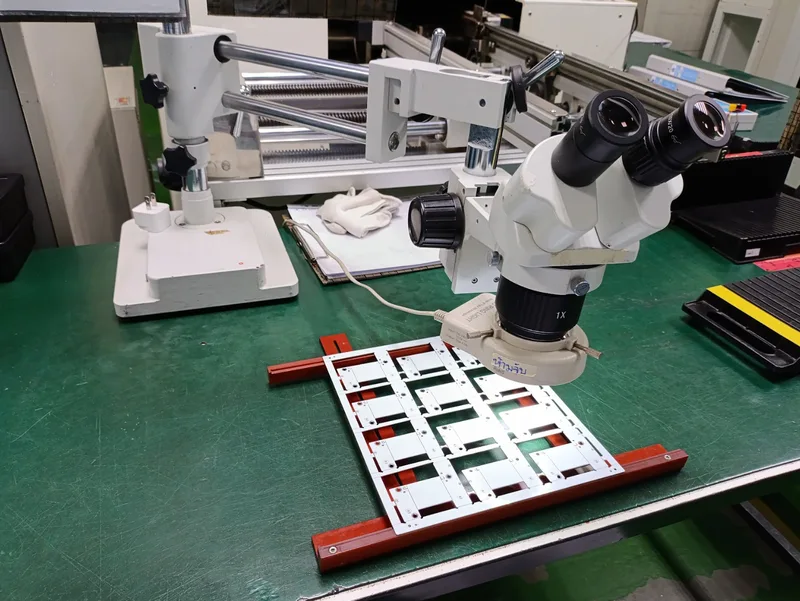
In early July, the first 250 units shipped (with the hand-fixes applied) to customers. These units went to a couple of institutional buyers, community groups like Urban Better, and the rest fulfilled the earliest customer pre-orders. In mid-July, the next 750 units began to be assembled with the intention of completing our initial 1000 units. At this point, everything seemed to be more or less on track, with less than a couple of weeks' worth of delays.
Simultaneously, we were also planning our next production run of 5000 units, which would address a few other minor issues we'd identified with the initial units. Among other things, we'd found a way to redesign the internals of the device so that a more easily replaceable battery could be used and we'd improved the durability after doing some internal drop testing.
So, what’s stopping us from shipping the batch of 750?
What's currently stopping us
Initially when we designed the Go, we had intended to use an SCD-series sensor from Sensirion. These sensors offer most of the performance of NDIR (with some caveats) in a far smaller form factor than traditional NDIR sensors. However, we discovered that Senseair was just around the corner from launching a tiny NDIR sensor named the S12. This sensor promised (and still promises) to be a ‘no-compromises’ sensor, balancing size, accuracy, and power consumption better than anything before it.
However, in early August, we began to receive feedback from customers who had received their units about an issue with the CO2 sensor. Compounding this, we also had a shipment of S12s get delayed around the same time from Senseair. We had been halfway through shipping a new batch of units before we identified this issue, bringing the total shipped units at the time to around 350. We raised the issue with Senseair, and they asked us to return some sensors so they could investigate. At the time, we believed this issue to be caused by the sensor itself, but, as it turns out, it was actually a different component entirely.
This issue led to us putting 400 already built units on hold. These are fully completed devices that are still sitting at our factory because we did not want to ship them until we fully understand the issue with the CO2 sensor and also its severity. We’ve now been able to identify the issue, and it looks to have been caused by a component leaking voltage that was preventing the S12 from ever fully shutting down (the voltage was only dropping to 0.7 V, but 0.2 V is required for a full sensor shut down). This causes it to hang in a half-powered ‘brownout’ state that, over time, corrupts the sensor’s memory.
This week we will be testing 50 units in our test chamber that have the leaking component removed. If our hypothesis is correct and the issue is solved, these 400 units will continue shipping next week.
While these 400 units will be shipped as soon as the voltage leakage issue is addressed, we have also encountered a new hurdle: The Sensirion SPS30 (in the quantities that we need) currently has a 16-18 week lead time. While we had already placed an order earlier, we've now been informed that we won't receive these sensors until early November. Currently, we're trying to source these elsewhere, but we're unsure if we will be able to get the sensors any earlier than November.
Going Forward
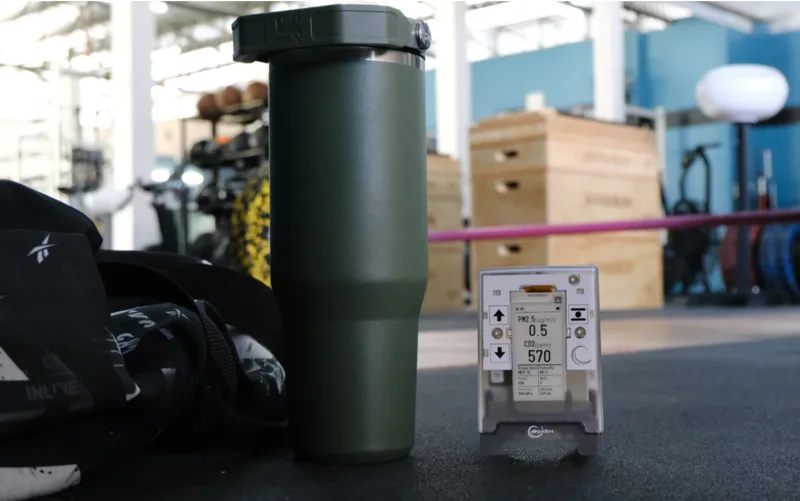
Going forward, units will be shipped as they become available. As soon as the voltage issue is resolved, we have around 400 units ready to ship to customers and this will fulfil over half of the remaining pre-orders. The other half will be fulfilled as parts become available, and our conservative estimate is that everyone who has ordered their device already will receive them by November. The order of shipping will be based on the sequence in which the orders were placed.
Again, we apologise for the delays with the launch of the AirGradient Go and we deeply appreciate your support. We are doing our best to make this the best portable air quality monitor available and hope you can try yours soon.
If you have any questions, please reach out to our support team and we will do our best to assist you.